Buy wohnung-mieten.eu ?
We are moving the project
wohnung-mieten.eu .
Are you interested in purchasing the domain
wohnung-mieten.eu ?
domain@kv-gmbh.de · 0541-91531010
Buy wohnung-mieten.eu ?
Why do you perform chest compressions?
Chest compressions are performed during cardiopulmonary resuscitation (CPR) to manually pump blood through the body when the heart is not able to do so effectively. This helps to maintain blood flow to vital organs, such as the brain, until more advanced medical help can arrive. The goal of chest compressions is to keep the person alive until their heart can be restarted or until emergency medical services can take over. **
What are air compressions and air dilutions?
Air compressions refer to the process of increasing the pressure of air by reducing its volume. This is typically achieved using a mechanical device such as a compressor. Air dilution, on the other hand, refers to the process of reducing the concentration of a substance in the air by mixing it with a larger volume of clean air. This can be done to reduce the concentration of pollutants or to lower the concentration of a specific gas in a confined space. Both air compressions and air dilutions are important processes in various industrial, commercial, and environmental applications. **


Similar search terms for Compressions
Top-Angebote
Products related to Compressions:
-
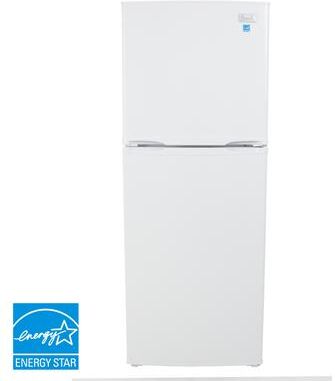
Avanti 11.6 cu. ft. Apartment Size Refrigerator, in WhiteStore your favorite food and beverages in this 11.6 cubic feet, white refrigerator from Avanti. The perfect apartment-size refrigerator, your food, and beverages stay fresh and cold thanks to the frost-free defrost system.965,99 $*Shipping: 0,00 $Secure redirect to the provider
-
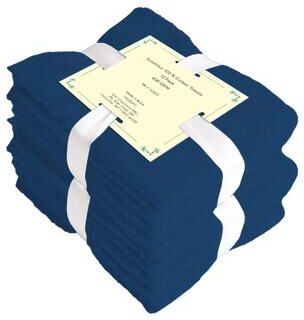
Cotton Washcloths - Pack of 12-600 GSM Soft & Absorbent, Quick-Drying, for Beach Houses, Hotels, and Rental PropertiesElevate your hospitality experience with our premium Cotton Washcloths, thoughtfully designed for beach houses, hotels, and rental properties. This pack of 12 washcloths offers an ideal combination of softness, absorbency, and quick-drying performance.40,99 $*Shipping: 0,00 $Secure redirect to the provider
-
Space-Saving Foldable Computer Desk for Home Office, Bedroom, Dorm, Apartment"This foldable desk offers a wide surface for laptops, monitors, or decor, along with shelves and storage for books and supplies. Its space-saving design folds down to just 13.14"" wide, making it ideal for bedrooms, apartments, dorms, and small offices."445,49 $*Shipping: 0,00 $Secure redirect to the provider


-
How do you perform chest compressions on a woman?
When performing chest compressions on a woman, the technique is the same as for a man. Place the heel of one hand on the center of the woman's chest, between the nipples. Place the other hand on top of the first hand and interlock the fingers. Keep your arms straight and position your shoulders directly above your hands. Press down firmly and quickly, allowing the chest to recoil completely between compressions. Remember to perform compressions at a rate of 100-120 per minute. **
-
How often do you perform chest compressions during resuscitation?
During resuscitation, chest compressions are typically performed at a rate of 100 to 120 compressions per minute. The compressions are performed continuously until emergency medical services arrive or until the person shows signs of life. **
-
What happens if you perform chest compressions without reason?
Performing chest compressions without reason can cause harm to the person receiving them. Chest compressions can cause broken ribs, damage to internal organs, and other injuries if not done properly or if not needed. It is important to only perform chest compressions when the person is in cardiac arrest and not breathing, as part of CPR. Otherwise, it is crucial to assess the situation and provide the appropriate care based on the person's condition. **
-
How to perform chest compressions on individuals with pectus excavatum?
When performing chest compressions on individuals with pectus excavatum, it is important to place the heel of your hand slightly higher on the sternum to ensure effective compression. This adjustment helps to avoid the deeper depression caused by the condition. It is also recommended to use the standard compression depth of at least 2 inches for adults and to maintain the proper rate of compressions at 100-120 per minute. Additionally, be mindful of any discomfort the individual may experience during the process and adjust your technique as needed. **

How to perform chest compressions on individuals with funnel chest?
When performing chest compressions on individuals with funnel chest, it is important to adjust the hand placement slightly. Instead of placing the heel of the hand in the center of the chest, it should be positioned slightly to the side of the sternum to avoid putting direct pressure on the depressed area. The compressions should still be performed at a rate of 100-120 per minute, with the chest being compressed at least 2 inches deep. It is crucial to ensure that the compressions are effective in order to maintain blood flow and circulation to vital organs. **
How do you perform chest compressions on individuals with pectus excavatum?
When performing chest compressions on individuals with pectus excavatum, it is important to place the heel of your hand slightly higher on the sternum to ensure effective compression. This adjustment helps to avoid putting excessive pressure on the chest wall and minimizes the risk of causing injury. It is also recommended to use the standard compression depth of at least 2 inches for adults and to maintain the proper rate of compressions, which is around 100-120 compressions per minute. Additionally, it is crucial to monitor the effectiveness of the compressions by checking for adequate chest rise and fall during CPR. **
Top-Angebote
Products related to Compressions:
-
Stellar Zero Uncoated Apartment Essentials BundleEnjoy effortless cooking without traditional non-stick coatings with the Stellar Zero Uncoated Apartment Essentials Bundle. Made from 100% pure stainless steel with an innovative precision-etched cooking surface, this versatile three-piece set provides excellent food release without the use of PFAS or PTFE coatings. Featuring Tri-Ply construction, each pan combines layers of stainless steel and aluminium to provide fast, even heat distribution and excellent temperature control. The pans respond quickly to changes in heat, helping you achieve consistent results while cooking efficiently. The set includes a 24cm frying pan, 28cm sauté pan with glass lid and a 24cm casserole, providing three essential pieces for everyday cooking. From frying and searing to simmering, slow cooking and preparing family favourites, this versatile selection is ideal for a wide range of dishes. The uncoated stainless steel construction offers the durability of stainless steel without a conventional non-stick coating. The precision-etched surface is designed to provide non-stick performance and is safe to use with metal utensils, making it well suited to everyday cooking. Suitable for all hob types, including induction, the cookware is oven safe up to 240°C and dishwasher safe for easy cleaning. Backed by Stellar's 25-year guarantee, the Zero collection combines innovative uncoated cooking technology with durable construction designed to last.224,95 £*Shipping: 0,00 £Secure redirect to the provider
-
Avanti 11.6 cu. ft. Apartment Size Refrigerator, in WhiteStore your favorite food and beverages in this 11.6 cubic feet, white refrigerator from Avanti. The perfect apartment-size refrigerator, your food, and beverages stay fresh and cold thanks to the frost-free defrost system.965,99 $*Shipping: 0,00 $Secure redirect to the provider
-
Why do you perform chest compressions?
Chest compressions are performed during cardiopulmonary resuscitation (CPR) to manually pump blood through the body when the heart is not able to do so effectively. This helps to maintain blood flow to vital organs, such as the brain, until more advanced medical help can arrive. The goal of chest compressions is to keep the person alive until their heart can be restarted or until emergency medical services can take over. **
-
What are air compressions and air dilutions?
Air compressions refer to the process of increasing the pressure of air by reducing its volume. This is typically achieved using a mechanical device such as a compressor. Air dilution, on the other hand, refers to the process of reducing the concentration of a substance in the air by mixing it with a larger volume of clean air. This can be done to reduce the concentration of pollutants or to lower the concentration of a specific gas in a confined space. Both air compressions and air dilutions are important processes in various industrial, commercial, and environmental applications. **
-
How do you perform chest compressions on a woman?
When performing chest compressions on a woman, the technique is the same as for a man. Place the heel of one hand on the center of the woman's chest, between the nipples. Place the other hand on top of the first hand and interlock the fingers. Keep your arms straight and position your shoulders directly above your hands. Press down firmly and quickly, allowing the chest to recoil completely between compressions. Remember to perform compressions at a rate of 100-120 per minute. **
-
How often do you perform chest compressions during resuscitation?
During resuscitation, chest compressions are typically performed at a rate of 100 to 120 compressions per minute. The compressions are performed continuously until emergency medical services arrive or until the person shows signs of life. **
Similar search terms for Compressions
-
Cotton Washcloths - Pack of 12-600 GSM Soft & Absorbent, Quick-Drying, for Beach Houses, Hotels, and Rental PropertiesElevate your hospitality experience with our premium Cotton Washcloths, thoughtfully designed for beach houses, hotels, and rental properties. This pack of 12 washcloths offers an ideal combination of softness, absorbency, and quick-drying performance.40,99 $*Shipping: 0,00 $Secure redirect to the provider
-
Space-Saving Foldable Computer Desk for Home Office, Bedroom, Dorm, Apartment"This foldable desk offers a wide surface for laptops, monitors, or decor, along with shelves and storage for books and supplies. Its space-saving design folds down to just 13.14"" wide, making it ideal for bedrooms, apartments, dorms, and small offices."445,49 $*Shipping: 0,00 $Secure redirect to the provider
-
What happens if you perform chest compressions without reason?
Performing chest compressions without reason can cause harm to the person receiving them. Chest compressions can cause broken ribs, damage to internal organs, and other injuries if not done properly or if not needed. It is important to only perform chest compressions when the person is in cardiac arrest and not breathing, as part of CPR. Otherwise, it is crucial to assess the situation and provide the appropriate care based on the person's condition. **
-
How to perform chest compressions on individuals with pectus excavatum?
When performing chest compressions on individuals with pectus excavatum, it is important to place the heel of your hand slightly higher on the sternum to ensure effective compression. This adjustment helps to avoid the deeper depression caused by the condition. It is also recommended to use the standard compression depth of at least 2 inches for adults and to maintain the proper rate of compressions at 100-120 per minute. Additionally, be mindful of any discomfort the individual may experience during the process and adjust your technique as needed. **
-
How to perform chest compressions on individuals with funnel chest?
When performing chest compressions on individuals with funnel chest, it is important to adjust the hand placement slightly. Instead of placing the heel of the hand in the center of the chest, it should be positioned slightly to the side of the sternum to avoid putting direct pressure on the depressed area. The compressions should still be performed at a rate of 100-120 per minute, with the chest being compressed at least 2 inches deep. It is crucial to ensure that the compressions are effective in order to maintain blood flow and circulation to vital organs. **
-
How do you perform chest compressions on individuals with pectus excavatum?
When performing chest compressions on individuals with pectus excavatum, it is important to place the heel of your hand slightly higher on the sternum to ensure effective compression. This adjustment helps to avoid putting excessive pressure on the chest wall and minimizes the risk of causing injury. It is also recommended to use the standard compression depth of at least 2 inches for adults and to maintain the proper rate of compressions, which is around 100-120 compressions per minute. Additionally, it is crucial to monitor the effectiveness of the compressions by checking for adequate chest rise and fall during CPR. **
* All prices are inclusive of VAT and, if applicable, plus shipping costs. The offer information is based on the details provided by the respective shop and is updated through automated processes. Real-time updates do not occur, so deviations can occur in individual cases. ** Note: Parts of this content were created by AI.