Buy wohnung-mieten.eu ?
We are moving the project
wohnung-mieten.eu .
Are you interested in purchasing the domain
wohnung-mieten.eu ?
domain@kv-gmbh.de · 0541-91531010
Buy wohnung-mieten.eu ?
Is HCl an amphoteric substance?
No, HCl (hydrochloric acid) is not an amphoteric substance. Amphoteric substances are those that can act as both an acid and a base, depending on the reaction conditions. HCl is a strong acid and only acts as an acid, donating a proton in reactions. Therefore, it does not exhibit the amphoteric behavior. **
What is the amphoteric property of H3PO4?
H3PO4, also known as phosphoric acid, is amphoteric because it can act as both an acid and a base. As an acid, it can donate a proton (H+) to a base, and as a base, it can accept a proton. This property allows H3PO4 to react with both acids and bases, making it a versatile compound in various chemical reactions. **


Similar search terms for Amphoteric
Top-Angebote
Products related to Amphoteric:
-
Stellar Zero Uncoated Apartment Essentials BundleEnjoy effortless cooking without traditional non-stick coatings with the Stellar Zero Uncoated Apartment Essentials Bundle. Made from 100% pure stainless steel with an innovative precision-etched cooking surface, this versatile three-piece set provides excellent food release without the use of PFAS or PTFE coatings. Featuring Tri-Ply construction, each pan combines layers of stainless steel and aluminium to provide fast, even heat distribution and excellent temperature control. The pans respond quickly to changes in heat, helping you achieve consistent results while cooking efficiently. The set includes a 24cm frying pan, 28cm sauté pan with glass lid and a 24cm casserole, providing three essential pieces for everyday cooking. From frying and searing to simmering, slow cooking and preparing family favourites, this versatile selection is ideal for a wide range of dishes. The uncoated stainless steel construction offers the durability of stainless steel without a conventional non-stick coating. The precision-etched surface is designed to provide non-stick performance and is safe to use with metal utensils, making it well suited to everyday cooking. Suitable for all hob types, including induction, the cookware is oven safe up to 240°C and dishwasher safe for easy cleaning. Backed by Stellar's 25-year guarantee, the Zero collection combines innovative uncoated cooking technology with durable construction designed to last.224,95 £*Shipping: 0,00 £Secure redirect to the provider
-
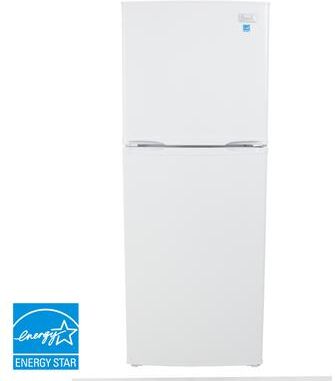
Avanti 11.6 cu. ft. Apartment Size Refrigerator, in WhiteStore your favorite food and beverages in this 11.6 cubic feet, white refrigerator from Avanti. The perfect apartment-size refrigerator, your food, and beverages stay fresh and cold thanks to the frost-free defrost system.965,99 $*Shipping: 0,00 $Secure redirect to the provider


-
Is autoprotolysis only a property of amphoteric substances?
Autoprotolysis, also known as self-ionization, is a property of substances that can act as both acids and bases, making them amphoteric. However, not all amphoteric substances exhibit autoprotolysis. For example, water is an amphoteric substance that undergoes autoprotolysis to form hydronium and hydroxide ions. Therefore, while autoprotolysis is commonly associated with amphoteric substances, not all amphoteric substances necessarily undergo autoprotolysis. **
-
How can one recognize amphoteric particles in chemistry?
Amphoteric particles in chemistry are substances that can act as both acids and bases. One way to recognize amphoteric particles is to observe their behavior in different environments. For example, in an acidic solution, an amphoteric particle will act as a base by accepting a proton, while in a basic solution, it will act as an acid by donating a proton. Another way to recognize amphoteric particles is to look for specific chemical properties, such as the presence of both acidic and basic functional groups in the molecule. Additionally, experimental testing, such as titration, can be used to determine the amphoteric nature of a substance by observing its reaction with both acids and bases. **
-
Why are H30 and nitric acid not amphoteric substances?
H3O+ and nitric acid (HNO3) are not considered amphoteric substances because they do not have the ability to act as both acids and bases. Amphoteric substances are able to donate or accept protons depending on the reaction conditions, but H3O+ and nitric acid only act as acids by donating protons. They do not have the capability to also accept protons and behave as bases in a chemical reaction. **
-
Are acids like H3PO4 or HNO3 also amphoteric substances?
Yes, acids like H3PO4 (phosphoric acid) and HNO3 (nitric acid) are considered amphoteric substances. This means they can act as both acids and bases depending on the reaction they are involved in. In the case of H3PO4, it can donate protons to act as an acid or accept protons to act as a base. Similarly, HNO3 can also act as both an acid and a base in certain reactions. **
Can someone tell me how to recognize that acetic acid is an amphoteric substance and what acetic acid as an amphoteric substance does?
Acetic acid is an amphoteric substance because it can act as both an acid and a base. This means that it can donate a proton (act as an acid) or accept a proton (act as a base) depending on the reaction conditions. In the case of acetic acid, it can donate a proton to water to form acetate ion and hydronium ion, or it can accept a proton from a strong base to form acetate ion and water. **
How can one recognize if a substance is an amphoteric compound?
An amphoteric compound is a substance that can act as both an acid and a base depending on the reaction it is involved in. One way to recognize if a substance is amphoteric is by observing its behavior in different reactions. If the substance can both donate and accept protons, it is likely to be amphoteric. Additionally, amphoteric compounds often have both acidic and basic functional groups in their chemical structure, which can also help in identifying them. **
Top-Angebote
Products related to Amphoteric:
-
Everyday Crate SecureGuard Wall Mounted Key Lock Box For Home, Office & Rental Properties SecureGuard Wall Mounted Key Lock Box For Home, Office & Rental PropertiesNever worry about lost keys or lockouts again. This key lock box provides a secure and convenient way to store spare keys where authorized users can access them when needed. Designed for homeowners, property managers, businesses, and rental hosts,...54,97 $*Shipping: 0,00 $Secure redirect to the provider
-
Stellar Zero Uncoated Apartment Essentials BundleEnjoy effortless cooking without traditional non-stick coatings with the Stellar Zero Uncoated Apartment Essentials Bundle. Made from 100% pure stainless steel with an innovative precision-etched cooking surface, this versatile three-piece set provides excellent food release without the use of PFAS or PTFE coatings. Featuring Tri-Ply construction, each pan combines layers of stainless steel and aluminium to provide fast, even heat distribution and excellent temperature control. The pans respond quickly to changes in heat, helping you achieve consistent results while cooking efficiently. The set includes a 24cm frying pan, 28cm sauté pan with glass lid and a 24cm casserole, providing three essential pieces for everyday cooking. From frying and searing to simmering, slow cooking and preparing family favourites, this versatile selection is ideal for a wide range of dishes. The uncoated stainless steel construction offers the durability of stainless steel without a conventional non-stick coating. The precision-etched surface is designed to provide non-stick performance and is safe to use with metal utensils, making it well suited to everyday cooking. Suitable for all hob types, including induction, the cookware is oven safe up to 240°C and dishwasher safe for easy cleaning. Backed by Stellar's 25-year guarantee, the Zero collection combines innovative uncoated cooking technology with durable construction designed to last.224,95 £*Shipping: 0,00 £Secure redirect to the provider
-
Is HCl an amphoteric substance?
No, HCl (hydrochloric acid) is not an amphoteric substance. Amphoteric substances are those that can act as both an acid and a base, depending on the reaction conditions. HCl is a strong acid and only acts as an acid, donating a proton in reactions. Therefore, it does not exhibit the amphoteric behavior. **
-
What is the amphoteric property of H3PO4?
H3PO4, also known as phosphoric acid, is amphoteric because it can act as both an acid and a base. As an acid, it can donate a proton (H+) to a base, and as a base, it can accept a proton. This property allows H3PO4 to react with both acids and bases, making it a versatile compound in various chemical reactions. **
-
Is autoprotolysis only a property of amphoteric substances?
Autoprotolysis, also known as self-ionization, is a property of substances that can act as both acids and bases, making them amphoteric. However, not all amphoteric substances exhibit autoprotolysis. For example, water is an amphoteric substance that undergoes autoprotolysis to form hydronium and hydroxide ions. Therefore, while autoprotolysis is commonly associated with amphoteric substances, not all amphoteric substances necessarily undergo autoprotolysis. **
-
How can one recognize amphoteric particles in chemistry?
Amphoteric particles in chemistry are substances that can act as both acids and bases. One way to recognize amphoteric particles is to observe their behavior in different environments. For example, in an acidic solution, an amphoteric particle will act as a base by accepting a proton, while in a basic solution, it will act as an acid by donating a proton. Another way to recognize amphoteric particles is to look for specific chemical properties, such as the presence of both acidic and basic functional groups in the molecule. Additionally, experimental testing, such as titration, can be used to determine the amphoteric nature of a substance by observing its reaction with both acids and bases. **
Similar search terms for Amphoteric
-
Avanti 11.6 cu. ft. Apartment Size Refrigerator, in WhiteStore your favorite food and beverages in this 11.6 cubic feet, white refrigerator from Avanti. The perfect apartment-size refrigerator, your food, and beverages stay fresh and cold thanks to the frost-free defrost system.965,99 $*Shipping: 0,00 $Secure redirect to the provider
-
Why are H30 and nitric acid not amphoteric substances?
H3O+ and nitric acid (HNO3) are not considered amphoteric substances because they do not have the ability to act as both acids and bases. Amphoteric substances are able to donate or accept protons depending on the reaction conditions, but H3O+ and nitric acid only act as acids by donating protons. They do not have the capability to also accept protons and behave as bases in a chemical reaction. **
-
Are acids like H3PO4 or HNO3 also amphoteric substances?
Yes, acids like H3PO4 (phosphoric acid) and HNO3 (nitric acid) are considered amphoteric substances. This means they can act as both acids and bases depending on the reaction they are involved in. In the case of H3PO4, it can donate protons to act as an acid or accept protons to act as a base. Similarly, HNO3 can also act as both an acid and a base in certain reactions. **
-
Can someone tell me how to recognize that acetic acid is an amphoteric substance and what acetic acid as an amphoteric substance does?
Acetic acid is an amphoteric substance because it can act as both an acid and a base. This means that it can donate a proton (act as an acid) or accept a proton (act as a base) depending on the reaction conditions. In the case of acetic acid, it can donate a proton to water to form acetate ion and hydronium ion, or it can accept a proton from a strong base to form acetate ion and water. **
-
How can one recognize if a substance is an amphoteric compound?
An amphoteric compound is a substance that can act as both an acid and a base depending on the reaction it is involved in. One way to recognize if a substance is amphoteric is by observing its behavior in different reactions. If the substance can both donate and accept protons, it is likely to be amphoteric. Additionally, amphoteric compounds often have both acidic and basic functional groups in their chemical structure, which can also help in identifying them. **
* All prices are inclusive of VAT and, if applicable, plus shipping costs. The offer information is based on the details provided by the respective shop and is updated through automated processes. Real-time updates do not occur, so deviations can occur in individual cases. ** Note: Parts of this content were created by AI.