Buy wohnung-mieten.eu ?
We are moving the project
wohnung-mieten.eu .
Are you interested in purchasing the domain
wohnung-mieten.eu ?
domain@kv-gmbh.de · 0541-91531010
Buy wohnung-mieten.eu ?
How is ATP formed in the thylakoid membrane?
ATP is formed in the thylakoid membrane through a process called photophosphorylation during the light-dependent reactions of photosynthesis. When light energy is absorbed by chlorophyll and other pigments in the thylakoid membrane, it excites electrons, which are then passed along the electron transport chain. As the electrons move through the chain, they release energy that is used to pump protons across the thylakoid membrane, creating a proton gradient. The flow of protons back across the membrane through ATP synthase enzyme drives the production of ATP from ADP and inorganic phosphate. **
Why does the thylakoid lumen have a pH value of 5?
The thylakoid lumen has a pH value of 5 due to the process of photosynthesis. During the light-dependent reactions of photosynthesis, protons (H+) are pumped into the thylakoid lumen from the stroma, creating a high concentration of protons inside the lumen. This creates an electrochemical gradient that is used to generate ATP through chemiosmosis. The accumulation of protons inside the thylakoid lumen results in the low pH value of 5. **


Similar search terms for Thylakoid
Top-Angebote
Products related to Thylakoid:
-
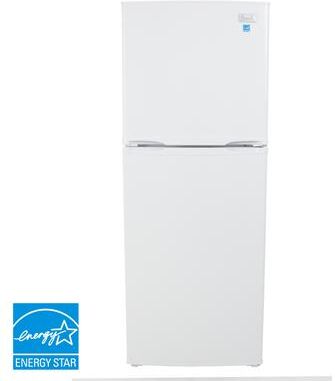
Avanti 11.6 cu. ft. Apartment Size Refrigerator, in WhiteStore your favorite food and beverages in this 11.6 cubic feet, white refrigerator from Avanti. The perfect apartment-size refrigerator, your food, and beverages stay fresh and cold thanks to the frost-free defrost system.965,99 $*Shipping: 0,00 $Secure redirect to the provider
-
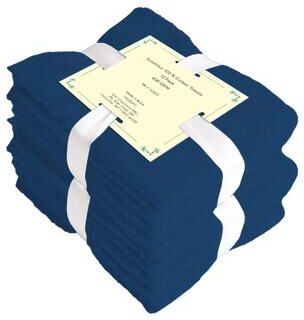
Cotton Washcloths - Pack of 12-600 GSM Soft & Absorbent, Quick-Drying, for Beach Houses, Hotels, and Rental PropertiesElevate your hospitality experience with our premium Cotton Washcloths, thoughtfully designed for beach houses, hotels, and rental properties. This pack of 12 washcloths offers an ideal combination of softness, absorbency, and quick-drying performance.40,99 $*Shipping: 0,00 $Secure redirect to the provider
-
Space-Saving Foldable Computer Desk for Home Office, Bedroom, Dorm, Apartment"This foldable desk offers a wide surface for laptops, monitors, or decor, along with shelves and storage for books and supplies. Its space-saving design folds down to just 13.14"" wide, making it ideal for bedrooms, apartments, dorms, and small offices."445,49 $*Shipping: 0,00 $Secure redirect to the provider


-
What is a thylakoid and does it have anything to do with chlorophyll?
A thylakoid is a membrane-bound compartment found within the chloroplasts of plant cells. It is the site of the light-dependent reactions of photosynthesis, where chlorophyll and other pigments are located. Thylakoids contain the photosystems and electron transport chain necessary for converting light energy into chemical energy in the form of ATP and NADPH. Chlorophyll molecules are embedded in the thylakoid membranes and are responsible for capturing light energy during photosynthesis. Therefore, thylakoids are closely associated with chlorophyll and play a crucial role in the process of photosynthesis. **
-
What processes occur at a thylakoid membrane and how are they related to ATP?
At the thylakoid membrane, light energy is absorbed by chlorophyll and other pigments, which then excites electrons and starts the process of photosynthesis. These excited electrons are passed along a series of proteins in the thylakoid membrane, creating a flow of electrons that drives the production of ATP through a process called chemiosmosis. This ATP is an important energy molecule that is used by the plant for various cellular processes, including the synthesis of sugars and other organic compounds. Therefore, the processes at the thylakoid membrane are essential for the production of ATP, which is a key energy source for plants. **
-
What processes occur at a thylakoid membrane and how does it relate to ATP?
At the thylakoid membrane, the light-dependent reactions of photosynthesis take place. These reactions involve the absorption of light by chlorophyll and other pigments, which leads to the splitting of water molecules and the generation of oxygen, protons, and electrons. These electrons are then used to create a proton gradient across the thylakoid membrane, which drives the production of ATP through the enzyme ATP synthase. Therefore, the processes at the thylakoid membrane directly result in the production of ATP, which is a crucial energy molecule used by cells for various metabolic processes. **
-
Compare the fluid mosaic model of the biomembrane with the thylakoid membrane and draw conclusions.
The fluid mosaic model of the biomembrane describes the structure of the cell membrane as a fluid lipid bilayer with embedded proteins that can move laterally within the membrane. This model allows for flexibility and dynamic interactions between the components of the membrane. On the other hand, the thylakoid membrane is a specialized membrane found in chloroplasts, which contains chlorophyll and other pigments involved in photosynthesis. While both membranes are composed of a lipid bilayer and contain embedded proteins, the thylakoid membrane has additional components such as pigments and photosystems that are essential for the process of photosynthesis. In conclusion, both membranes share the basic structure of a fluid mosaic model but have unique components and functions specific to their roles within the cell. **

How can one register a second residence in a rental apartment?
To register a second residence in a rental apartment, you will need to check with your local government or municipality to understand the specific requirements and procedures. In some places, you may need to provide documentation such as a lease agreement, proof of address, and identification. It's important to communicate with your landlord and ensure that they are aware and approve of your intention to register a second residence in the rental apartment. Additionally, you may need to update your address with relevant institutions such as the post office, banks, and government agencies. **
When was the mold discovered in the rental apartment before signing the lease?
The mold was discovered in the rental apartment before signing the lease during the walkthrough inspection conducted by the prospective tenant and the landlord. The presence of mold was identified as a potential health hazard and a condition that needed to be addressed before the lease could be signed. The discovery of mold prompted discussions between the tenant and landlord about remediation efforts and responsibilities for ensuring a safe living environment. **
Top-Angebote
Products related to Thylakoid:
-
Stellar Zero Uncoated Apartment Essentials BundleEnjoy effortless cooking without traditional non-stick coatings with the Stellar Zero Uncoated Apartment Essentials Bundle. Made from 100% pure stainless steel with an innovative precision-etched cooking surface, this versatile three-piece set provides excellent food release without the use of PFAS or PTFE coatings. Featuring Tri-Ply construction, each pan combines layers of stainless steel and aluminium to provide fast, even heat distribution and excellent temperature control. The pans respond quickly to changes in heat, helping you achieve consistent results while cooking efficiently. The set includes a 24cm frying pan, 28cm sauté pan with glass lid and a 24cm casserole, providing three essential pieces for everyday cooking. From frying and searing to simmering, slow cooking and preparing family favourites, this versatile selection is ideal for a wide range of dishes. The uncoated stainless steel construction offers the durability of stainless steel without a conventional non-stick coating. The precision-etched surface is designed to provide non-stick performance and is safe to use with metal utensils, making it well suited to everyday cooking. Suitable for all hob types, including induction, the cookware is oven safe up to 240°C and dishwasher safe for easy cleaning. Backed by Stellar's 25-year guarantee, the Zero collection combines innovative uncoated cooking technology with durable construction designed to last.224,95 £*Shipping: 0,00 £Secure redirect to the provider
-
Avanti 11.6 cu. ft. Apartment Size Refrigerator, in WhiteStore your favorite food and beverages in this 11.6 cubic feet, white refrigerator from Avanti. The perfect apartment-size refrigerator, your food, and beverages stay fresh and cold thanks to the frost-free defrost system.965,99 $*Shipping: 0,00 $Secure redirect to the provider
-
How is ATP formed in the thylakoid membrane?
ATP is formed in the thylakoid membrane through a process called photophosphorylation during the light-dependent reactions of photosynthesis. When light energy is absorbed by chlorophyll and other pigments in the thylakoid membrane, it excites electrons, which are then passed along the electron transport chain. As the electrons move through the chain, they release energy that is used to pump protons across the thylakoid membrane, creating a proton gradient. The flow of protons back across the membrane through ATP synthase enzyme drives the production of ATP from ADP and inorganic phosphate. **
-
Why does the thylakoid lumen have a pH value of 5?
The thylakoid lumen has a pH value of 5 due to the process of photosynthesis. During the light-dependent reactions of photosynthesis, protons (H+) are pumped into the thylakoid lumen from the stroma, creating a high concentration of protons inside the lumen. This creates an electrochemical gradient that is used to generate ATP through chemiosmosis. The accumulation of protons inside the thylakoid lumen results in the low pH value of 5. **
-
What is a thylakoid and does it have anything to do with chlorophyll?
A thylakoid is a membrane-bound compartment found within the chloroplasts of plant cells. It is the site of the light-dependent reactions of photosynthesis, where chlorophyll and other pigments are located. Thylakoids contain the photosystems and electron transport chain necessary for converting light energy into chemical energy in the form of ATP and NADPH. Chlorophyll molecules are embedded in the thylakoid membranes and are responsible for capturing light energy during photosynthesis. Therefore, thylakoids are closely associated with chlorophyll and play a crucial role in the process of photosynthesis. **
-
What processes occur at a thylakoid membrane and how are they related to ATP?
At the thylakoid membrane, light energy is absorbed by chlorophyll and other pigments, which then excites electrons and starts the process of photosynthesis. These excited electrons are passed along a series of proteins in the thylakoid membrane, creating a flow of electrons that drives the production of ATP through a process called chemiosmosis. This ATP is an important energy molecule that is used by the plant for various cellular processes, including the synthesis of sugars and other organic compounds. Therefore, the processes at the thylakoid membrane are essential for the production of ATP, which is a key energy source for plants. **
Similar search terms for Thylakoid
-
Cotton Washcloths - Pack of 12-600 GSM Soft & Absorbent, Quick-Drying, for Beach Houses, Hotels, and Rental PropertiesElevate your hospitality experience with our premium Cotton Washcloths, thoughtfully designed for beach houses, hotels, and rental properties. This pack of 12 washcloths offers an ideal combination of softness, absorbency, and quick-drying performance.40,99 $*Shipping: 0,00 $Secure redirect to the provider
-
Space-Saving Foldable Computer Desk for Home Office, Bedroom, Dorm, Apartment"This foldable desk offers a wide surface for laptops, monitors, or decor, along with shelves and storage for books and supplies. Its space-saving design folds down to just 13.14"" wide, making it ideal for bedrooms, apartments, dorms, and small offices."445,49 $*Shipping: 0,00 $Secure redirect to the provider
-
What processes occur at a thylakoid membrane and how does it relate to ATP?
At the thylakoid membrane, the light-dependent reactions of photosynthesis take place. These reactions involve the absorption of light by chlorophyll and other pigments, which leads to the splitting of water molecules and the generation of oxygen, protons, and electrons. These electrons are then used to create a proton gradient across the thylakoid membrane, which drives the production of ATP through the enzyme ATP synthase. Therefore, the processes at the thylakoid membrane directly result in the production of ATP, which is a crucial energy molecule used by cells for various metabolic processes. **
-
Compare the fluid mosaic model of the biomembrane with the thylakoid membrane and draw conclusions.
The fluid mosaic model of the biomembrane describes the structure of the cell membrane as a fluid lipid bilayer with embedded proteins that can move laterally within the membrane. This model allows for flexibility and dynamic interactions between the components of the membrane. On the other hand, the thylakoid membrane is a specialized membrane found in chloroplasts, which contains chlorophyll and other pigments involved in photosynthesis. While both membranes are composed of a lipid bilayer and contain embedded proteins, the thylakoid membrane has additional components such as pigments and photosystems that are essential for the process of photosynthesis. In conclusion, both membranes share the basic structure of a fluid mosaic model but have unique components and functions specific to their roles within the cell. **
-
How can one register a second residence in a rental apartment?
To register a second residence in a rental apartment, you will need to check with your local government or municipality to understand the specific requirements and procedures. In some places, you may need to provide documentation such as a lease agreement, proof of address, and identification. It's important to communicate with your landlord and ensure that they are aware and approve of your intention to register a second residence in the rental apartment. Additionally, you may need to update your address with relevant institutions such as the post office, banks, and government agencies. **
-
When was the mold discovered in the rental apartment before signing the lease?
The mold was discovered in the rental apartment before signing the lease during the walkthrough inspection conducted by the prospective tenant and the landlord. The presence of mold was identified as a potential health hazard and a condition that needed to be addressed before the lease could be signed. The discovery of mold prompted discussions between the tenant and landlord about remediation efforts and responsibilities for ensuring a safe living environment. **
* All prices are inclusive of VAT and, if applicable, plus shipping costs. The offer information is based on the details provided by the respective shop and is updated through automated processes. Real-time updates do not occur, so deviations can occur in individual cases. ** Note: Parts of this content were created by AI.