Buy wohnung-mieten.eu ?
We are moving the project
wohnung-mieten.eu .
Are you interested in purchasing the domain
wohnung-mieten.eu ?
domain@kv-gmbh.de · 0541-91531010
Buy wohnung-mieten.eu ?
What is a temporal clause?
A temporal clause is a type of subordinate clause that provides information about when an action takes place in relation to the main clause. It usually includes a time-related word or phrase, such as "when," "while," "after," "before," or "since." Temporal clauses help to clarify the timing of events in a sentence and are commonly used in complex sentences to show the sequence of actions. **
What is the temporal context?
The temporal context refers to the time period or timeframe in which an event, situation, or piece of information occurs or is relevant. It helps to provide a framework for understanding the sequence of events and the historical or current significance of a particular topic. Understanding the temporal context is important for interpreting and analyzing information accurately within its historical or current timeframe. **


Similar search terms for Temporal
Top-Angebote
Products related to Temporal:
-
Stellar Zero Uncoated Apartment Essentials BundleEnjoy effortless cooking without traditional non-stick coatings with the Stellar Zero Uncoated Apartment Essentials Bundle. Made from 100% pure stainless steel with an innovative precision-etched cooking surface, this versatile three-piece set provides excellent food release without the use of PFAS or PTFE coatings. Featuring Tri-Ply construction, each pan combines layers of stainless steel and aluminium to provide fast, even heat distribution and excellent temperature control. The pans respond quickly to changes in heat, helping you achieve consistent results while cooking efficiently. The set includes a 24cm frying pan, 28cm sauté pan with glass lid and a 24cm casserole, providing three essential pieces for everyday cooking. From frying and searing to simmering, slow cooking and preparing family favourites, this versatile selection is ideal for a wide range of dishes. The uncoated stainless steel construction offers the durability of stainless steel without a conventional non-stick coating. The precision-etched surface is designed to provide non-stick performance and is safe to use with metal utensils, making it well suited to everyday cooking. Suitable for all hob types, including induction, the cookware is oven safe up to 240°C and dishwasher safe for easy cleaning. Backed by Stellar's 25-year guarantee, the Zero collection combines innovative uncoated cooking technology with durable construction designed to last.224,95 £*Shipping: 0,00 £Secure redirect to the provider
-
Avanti 11.6 cu. ft. Apartment Size Refrigerator, in WhiteStore your favorite food and beverages in this 11.6 cubic feet, white refrigerator from Avanti. The perfect apartment-size refrigerator, your food, and beverages stay fresh and cold thanks to the frost-free defrost system.965,99 $*Shipping: 0,00 $Secure redirect to the provider
-
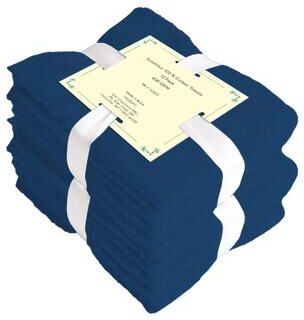
Cotton Washcloths - Pack of 12-600 GSM Soft & Absorbent, Quick-Drying, for Beach Houses, Hotels, and Rental PropertiesElevate your hospitality experience with our premium Cotton Washcloths, thoughtfully designed for beach houses, hotels, and rental properties. This pack of 12 washcloths offers an ideal combination of softness, absorbency, and quick-drying performance.40,99 $*Shipping: 0,00 $Secure redirect to the provider



-
What does the term "temporal error" mean?
Temporal error refers to a mistake or discrepancy that occurs in relation to time. It can occur when there is a mismatch between the timing of events or actions, leading to inaccuracies or inconsistencies in the temporal sequence. In computing, temporal errors can occur when there are issues with the timing or synchronization of processes, resulting in incorrect outcomes or behaviors. Identifying and addressing temporal errors is important to ensure the accuracy and reliability of systems and processes. **
-
How are temporal clauses formed in Latin?
Temporal clauses in Latin are formed using subordinating conjunctions such as "cum" (when), "postquam" (after), "dum" (while), and "antequam" (before). These conjunctions are followed by a verb in the subjunctive mood to indicate that the action of the temporal clause is dependent on the action of the main clause. For example, "cum veniat" means "when he/she comes" and "postquam viderit" means "after he/she sees." These temporal clauses are used to express the time relationship between two actions or events. **
-
Is there actually a temporal version of homesickness?
Yes, there is a temporal version of homesickness known as "time-sickness." Time-sickness is the feeling of longing for a specific time period in the past, such as childhood or a significant moment in one's life. It can be triggered by nostalgia or a desire to relive happy memories from the past. Time-sickness can lead to feelings of sadness, yearning, and a sense of disconnection from the present moment. **
-
How do you form temporal clauses in French?
Temporal clauses in French are formed using subordinating conjunctions such as "quand" (when), "pendant que" (while), "dès que" (as soon as), "avant que" (before), "après que" (after), etc. These subordinating conjunctions are followed by a subject and a verb in the subjunctive mood if the action in the temporal clause has not yet occurred, or in the indicative mood if the action has already taken place. Temporal clauses are used to indicate the timing or sequence of events in relation to the main clause. **


Can there be simultaneous spatial and temporal summation?
Yes, simultaneous spatial and temporal summation can occur. Spatial summation refers to the combination of signals from different locations on a neuron's dendrites, while temporal summation involves the combination of signals arriving at different times. Both types of summation can occur simultaneously, with multiple signals from different locations and at different times converging to trigger an action potential in a neuron. This allows for the integration of spatially and temporally distributed inputs to generate a coordinated response. **
What is the difference between modal and temporal verbs?
Modal verbs are used to express possibility, necessity, ability, or permission, such as can, could, may, might, must, shall, should, will, would. Temporal verbs, on the other hand, are used to indicate the time of an action or event, such as past, present, or future tense verbs like run, ran, running. While modal verbs convey the speaker's attitude or stance towards the action, temporal verbs simply indicate when the action is taking place. **
Top-Angebote
Products related to Temporal:
-
Uplifted Finds Retro Macintosh Aesthetic Clock & Technical Temporal Desktop Logic Retro Macintosh Aesthetic Clock & Technical Temporal Desktop LogicInaugurate a powerful ChronosSanctuary energy for your digital environment with the ultimate 2026 boutiqueintegrated temporal solution. The Retro Macintosh Aesthetic Clock is the premier choice for creating a TechnicalModern or StudioLuxe atmosphere...212,97 $*Shipping: 0,00 $Secure redirect to the provider
-
Stellar Zero Uncoated Apartment Essentials BundleEnjoy effortless cooking without traditional non-stick coatings with the Stellar Zero Uncoated Apartment Essentials Bundle. Made from 100% pure stainless steel with an innovative precision-etched cooking surface, this versatile three-piece set provides excellent food release without the use of PFAS or PTFE coatings. Featuring Tri-Ply construction, each pan combines layers of stainless steel and aluminium to provide fast, even heat distribution and excellent temperature control. The pans respond quickly to changes in heat, helping you achieve consistent results while cooking efficiently. The set includes a 24cm frying pan, 28cm sauté pan with glass lid and a 24cm casserole, providing three essential pieces for everyday cooking. From frying and searing to simmering, slow cooking and preparing family favourites, this versatile selection is ideal for a wide range of dishes. The uncoated stainless steel construction offers the durability of stainless steel without a conventional non-stick coating. The precision-etched surface is designed to provide non-stick performance and is safe to use with metal utensils, making it well suited to everyday cooking. Suitable for all hob types, including induction, the cookware is oven safe up to 240°C and dishwasher safe for easy cleaning. Backed by Stellar's 25-year guarantee, the Zero collection combines innovative uncoated cooking technology with durable construction designed to last.224,95 £*Shipping: 0,00 £Secure redirect to the provider
-
Avanti 11.6 cu. ft. Apartment Size Refrigerator, in WhiteStore your favorite food and beverages in this 11.6 cubic feet, white refrigerator from Avanti. The perfect apartment-size refrigerator, your food, and beverages stay fresh and cold thanks to the frost-free defrost system.965,99 $*Shipping: 0,00 $Secure redirect to the provider
-
What is a temporal clause?
A temporal clause is a type of subordinate clause that provides information about when an action takes place in relation to the main clause. It usually includes a time-related word or phrase, such as "when," "while," "after," "before," or "since." Temporal clauses help to clarify the timing of events in a sentence and are commonly used in complex sentences to show the sequence of actions. **
-
What is the temporal context?
The temporal context refers to the time period or timeframe in which an event, situation, or piece of information occurs or is relevant. It helps to provide a framework for understanding the sequence of events and the historical or current significance of a particular topic. Understanding the temporal context is important for interpreting and analyzing information accurately within its historical or current timeframe. **
-
What does the term "temporal error" mean?
Temporal error refers to a mistake or discrepancy that occurs in relation to time. It can occur when there is a mismatch between the timing of events or actions, leading to inaccuracies or inconsistencies in the temporal sequence. In computing, temporal errors can occur when there are issues with the timing or synchronization of processes, resulting in incorrect outcomes or behaviors. Identifying and addressing temporal errors is important to ensure the accuracy and reliability of systems and processes. **
-
How are temporal clauses formed in Latin?
Temporal clauses in Latin are formed using subordinating conjunctions such as "cum" (when), "postquam" (after), "dum" (while), and "antequam" (before). These conjunctions are followed by a verb in the subjunctive mood to indicate that the action of the temporal clause is dependent on the action of the main clause. For example, "cum veniat" means "when he/she comes" and "postquam viderit" means "after he/she sees." These temporal clauses are used to express the time relationship between two actions or events. **
Similar search terms for Temporal
-
Cotton Washcloths - Pack of 12-600 GSM Soft & Absorbent, Quick-Drying, for Beach Houses, Hotels, and Rental PropertiesElevate your hospitality experience with our premium Cotton Washcloths, thoughtfully designed for beach houses, hotels, and rental properties. This pack of 12 washcloths offers an ideal combination of softness, absorbency, and quick-drying performance.40,99 $*Shipping: 0,00 $Secure redirect to the provider
-
Is there actually a temporal version of homesickness?
Yes, there is a temporal version of homesickness known as "time-sickness." Time-sickness is the feeling of longing for a specific time period in the past, such as childhood or a significant moment in one's life. It can be triggered by nostalgia or a desire to relive happy memories from the past. Time-sickness can lead to feelings of sadness, yearning, and a sense of disconnection from the present moment. **
-
How do you form temporal clauses in French?
Temporal clauses in French are formed using subordinating conjunctions such as "quand" (when), "pendant que" (while), "dès que" (as soon as), "avant que" (before), "après que" (after), etc. These subordinating conjunctions are followed by a subject and a verb in the subjunctive mood if the action in the temporal clause has not yet occurred, or in the indicative mood if the action has already taken place. Temporal clauses are used to indicate the timing or sequence of events in relation to the main clause. **
-
Can there be simultaneous spatial and temporal summation?
Yes, simultaneous spatial and temporal summation can occur. Spatial summation refers to the combination of signals from different locations on a neuron's dendrites, while temporal summation involves the combination of signals arriving at different times. Both types of summation can occur simultaneously, with multiple signals from different locations and at different times converging to trigger an action potential in a neuron. This allows for the integration of spatially and temporally distributed inputs to generate a coordinated response. **
-
What is the difference between modal and temporal verbs?
Modal verbs are used to express possibility, necessity, ability, or permission, such as can, could, may, might, must, shall, should, will, would. Temporal verbs, on the other hand, are used to indicate the time of an action or event, such as past, present, or future tense verbs like run, ran, running. While modal verbs convey the speaker's attitude or stance towards the action, temporal verbs simply indicate when the action is taking place. **
* All prices are inclusive of VAT and, if applicable, plus shipping costs. The offer information is based on the details provided by the respective shop and is updated through automated processes. Real-time updates do not occur, so deviations can occur in individual cases. ** Note: Parts of this content were created by AI.