Buy wohnung-mieten.eu ?
We are moving the project
wohnung-mieten.eu .
Are you interested in purchasing the domain
wohnung-mieten.eu ?
domain@kv-gmbh.de · 0541-91531010
Buy wohnung-mieten.eu ?
How is radioactivity formed?
Radioactivity is formed when an unstable atomic nucleus undergoes radioactive decay, emitting particles and energy in the process. This instability can be caused by having an excess of protons or neutrons in the nucleus, leading to an imbalance in the forces holding the nucleus together. The emitted particles can include alpha particles (helium nuclei), beta particles (electrons or positrons), and gamma rays (high-energy photons). The rate at which a radioactive substance decays is measured by its half-life, which is the time it takes for half of the atoms in a sample to decay. **
Does radioactivity taste metallic?
No, radioactivity does not have a taste. Radioactivity refers to the emission of particles or energy from the nucleus of an unstable atom, and it is not a physical substance that can be tasted. The metallic taste that is sometimes associated with radioactivity may be due to exposure to certain metals or chemicals that are radioactive, but the radioactivity itself does not have a taste. **


Similar search terms for Radioactivity
Top-Angebote
Products related to Radioactivity:
-
Avanti 11.6 cu. ft. Apartment Size Refrigerator, in WhiteStore your favorite food and beverages in this 11.6 cubic feet, white refrigerator from Avanti. The perfect apartment-size refrigerator, your food, and beverages stay fresh and cold thanks to the frost-free defrost system.965,99 $*Shipping: 0,00 $Secure redirect to the provider
-
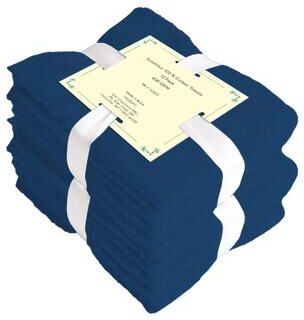
Cotton Washcloths - Pack of 12-600 GSM Soft & Absorbent, Quick-Drying, for Beach Houses, Hotels, and Rental PropertiesElevate your hospitality experience with our premium Cotton Washcloths, thoughtfully designed for beach houses, hotels, and rental properties. This pack of 12 washcloths offers an ideal combination of softness, absorbency, and quick-drying performance.40,99 $*Shipping: 0,00 $Secure redirect to the provider
-
Space-Saving Foldable Computer Desk for Home Office, Bedroom, Dorm, Apartment"This foldable desk offers a wide surface for laptops, monitors, or decor, along with shelves and storage for books and supplies. Its space-saving design folds down to just 13.14"" wide, making it ideal for bedrooms, apartments, dorms, and small offices."445,49 $*Shipping: 0,00 $Secure redirect to the provider



-
What exactly is radioactivity?
Radioactivity is the process by which unstable atomic nuclei emit particles or electromagnetic radiation in order to become more stable. This emission can take the form of alpha particles, beta particles, or gamma rays. Radioactive materials have an excess of energy or mass, which they release in the form of radiation until they reach a stable state. This radiation can be harmful to living organisms if they are exposed to it in high doses. **
-
How is radioactivity created?
Radioactivity is created when an unstable atomic nucleus undergoes radioactive decay, emitting particles and energy in the process. This decay can occur spontaneously or be induced through processes like nuclear fission or fusion. Radioactive elements have an excess of energy or mass in their nuclei, leading to instability and the release of radiation as they decay into more stable forms. This radiation can take the form of alpha particles, beta particles, gamma rays, or neutrons. **
-
Does radioactivity disrupt electricity?
Radioactivity itself does not disrupt electricity. However, in certain situations, radioactive materials can interfere with electrical equipment. For example, high levels of radiation can cause electrical components to malfunction or even fail. Additionally, radioactive materials can generate heat, which can potentially affect the performance of electrical systems. Overall, while radioactivity does not directly disrupt electricity, it can have indirect effects on electrical equipment in certain circumstances. **
-
What is meant by radioactivity?
Radioactivity is the process by which unstable atomic nuclei emit particles or electromagnetic radiation in order to become more stable. This emission can take the form of alpha particles, beta particles, or gamma rays. Radioactive decay is a random process, and the rate at which it occurs is measured by the half-life of the radioactive material. **


How much radioactivity is normal?
Normal levels of radioactivity can vary depending on the specific location and environment. In general, background radiation levels are typically around 0.1 to 0.2 microsieverts per hour (µSv/h) in most parts of the world. However, certain areas may have higher natural background radiation levels due to factors such as the presence of radioactive minerals in the soil or rocks. It's important to note that exposure to higher levels of radioactivity, whether from natural or man-made sources, can pose health risks, so it's important to monitor and limit exposure when possible. **
What is radioactivity in physics?
Radioactivity in physics refers to the process by which certain unstable atomic nuclei emit radiation in the form of particles or electromagnetic waves. This emission occurs as the nucleus undergoes a spontaneous decay, transforming into a more stable configuration. The three main types of radiation emitted during radioactive decay are alpha particles, beta particles, and gamma rays. Radioactivity plays a crucial role in various fields, including nuclear physics, medicine, and energy production. **
Top-Angebote
Products related to Radioactivity:
-
Stellar Zero Uncoated Apartment Essentials BundleEnjoy effortless cooking without traditional non-stick coatings with the Stellar Zero Uncoated Apartment Essentials Bundle. Made from 100% pure stainless steel with an innovative precision-etched cooking surface, this versatile three-piece set provides excellent food release without the use of PFAS or PTFE coatings. Featuring Tri-Ply construction, each pan combines layers of stainless steel and aluminium to provide fast, even heat distribution and excellent temperature control. The pans respond quickly to changes in heat, helping you achieve consistent results while cooking efficiently. The set includes a 24cm frying pan, 28cm sauté pan with glass lid and a 24cm casserole, providing three essential pieces for everyday cooking. From frying and searing to simmering, slow cooking and preparing family favourites, this versatile selection is ideal for a wide range of dishes. The uncoated stainless steel construction offers the durability of stainless steel without a conventional non-stick coating. The precision-etched surface is designed to provide non-stick performance and is safe to use with metal utensils, making it well suited to everyday cooking. Suitable for all hob types, including induction, the cookware is oven safe up to 240°C and dishwasher safe for easy cleaning. Backed by Stellar's 25-year guarantee, the Zero collection combines innovative uncoated cooking technology with durable construction designed to last.224,95 £*Shipping: 0,00 £Secure redirect to the provider
-
Avanti 11.6 cu. ft. Apartment Size Refrigerator, in WhiteStore your favorite food and beverages in this 11.6 cubic feet, white refrigerator from Avanti. The perfect apartment-size refrigerator, your food, and beverages stay fresh and cold thanks to the frost-free defrost system.965,99 $*Shipping: 0,00 $Secure redirect to the provider
-
How is radioactivity formed?
Radioactivity is formed when an unstable atomic nucleus undergoes radioactive decay, emitting particles and energy in the process. This instability can be caused by having an excess of protons or neutrons in the nucleus, leading to an imbalance in the forces holding the nucleus together. The emitted particles can include alpha particles (helium nuclei), beta particles (electrons or positrons), and gamma rays (high-energy photons). The rate at which a radioactive substance decays is measured by its half-life, which is the time it takes for half of the atoms in a sample to decay. **
-
Does radioactivity taste metallic?
No, radioactivity does not have a taste. Radioactivity refers to the emission of particles or energy from the nucleus of an unstable atom, and it is not a physical substance that can be tasted. The metallic taste that is sometimes associated with radioactivity may be due to exposure to certain metals or chemicals that are radioactive, but the radioactivity itself does not have a taste. **
-
What exactly is radioactivity?
Radioactivity is the process by which unstable atomic nuclei emit particles or electromagnetic radiation in order to become more stable. This emission can take the form of alpha particles, beta particles, or gamma rays. Radioactive materials have an excess of energy or mass, which they release in the form of radiation until they reach a stable state. This radiation can be harmful to living organisms if they are exposed to it in high doses. **
-
How is radioactivity created?
Radioactivity is created when an unstable atomic nucleus undergoes radioactive decay, emitting particles and energy in the process. This decay can occur spontaneously or be induced through processes like nuclear fission or fusion. Radioactive elements have an excess of energy or mass in their nuclei, leading to instability and the release of radiation as they decay into more stable forms. This radiation can take the form of alpha particles, beta particles, gamma rays, or neutrons. **
Similar search terms for Radioactivity
-
Cotton Washcloths - Pack of 12-600 GSM Soft & Absorbent, Quick-Drying, for Beach Houses, Hotels, and Rental PropertiesElevate your hospitality experience with our premium Cotton Washcloths, thoughtfully designed for beach houses, hotels, and rental properties. This pack of 12 washcloths offers an ideal combination of softness, absorbency, and quick-drying performance.40,99 $*Shipping: 0,00 $Secure redirect to the provider
-
Space-Saving Foldable Computer Desk for Home Office, Bedroom, Dorm, Apartment"This foldable desk offers a wide surface for laptops, monitors, or decor, along with shelves and storage for books and supplies. Its space-saving design folds down to just 13.14"" wide, making it ideal for bedrooms, apartments, dorms, and small offices."445,49 $*Shipping: 0,00 $Secure redirect to the provider
-
Does radioactivity disrupt electricity?
Radioactivity itself does not disrupt electricity. However, in certain situations, radioactive materials can interfere with electrical equipment. For example, high levels of radiation can cause electrical components to malfunction or even fail. Additionally, radioactive materials can generate heat, which can potentially affect the performance of electrical systems. Overall, while radioactivity does not directly disrupt electricity, it can have indirect effects on electrical equipment in certain circumstances. **
-
What is meant by radioactivity?
Radioactivity is the process by which unstable atomic nuclei emit particles or electromagnetic radiation in order to become more stable. This emission can take the form of alpha particles, beta particles, or gamma rays. Radioactive decay is a random process, and the rate at which it occurs is measured by the half-life of the radioactive material. **
-
How much radioactivity is normal?
Normal levels of radioactivity can vary depending on the specific location and environment. In general, background radiation levels are typically around 0.1 to 0.2 microsieverts per hour (µSv/h) in most parts of the world. However, certain areas may have higher natural background radiation levels due to factors such as the presence of radioactive minerals in the soil or rocks. It's important to note that exposure to higher levels of radioactivity, whether from natural or man-made sources, can pose health risks, so it's important to monitor and limit exposure when possible. **
-
What is radioactivity in physics?
Radioactivity in physics refers to the process by which certain unstable atomic nuclei emit radiation in the form of particles or electromagnetic waves. This emission occurs as the nucleus undergoes a spontaneous decay, transforming into a more stable configuration. The three main types of radiation emitted during radioactive decay are alpha particles, beta particles, and gamma rays. Radioactivity plays a crucial role in various fields, including nuclear physics, medicine, and energy production. **
* All prices are inclusive of VAT and, if applicable, plus shipping costs. The offer information is based on the details provided by the respective shop and is updated through automated processes. Real-time updates do not occur, so deviations can occur in individual cases. ** Note: Parts of this content were created by AI.