Buy wohnung-mieten.eu ?
We are moving the project
wohnung-mieten.eu .
Are you interested in purchasing the domain
wohnung-mieten.eu ?
domain@kv-gmbh.de · 0541-91531010
Buy wohnung-mieten.eu ?
Which extractor hood is suitable for a studio apartment?
For a studio apartment, a compact and space-saving extractor hood would be most suitable. A recirculating extractor hood would be a good choice as it does not require any external ventilation, making it easier to install in a small space. Look for a model with adjustable fan speeds and good filtration capabilities to effectively remove cooking odors and grease from the air in a confined space like a studio apartment. **
Which extractor hood is suitable for a one-room apartment?
For a one-room apartment, a compact and space-saving extractor hood would be most suitable. A recirculating extractor hood, which doesn't require ducting to the outside, would be a good option for a small space. Look for a model with a low noise level to minimize disturbance in the open living area. Additionally, consider a hood with built-in lighting to provide extra illumination in the kitchen area. **
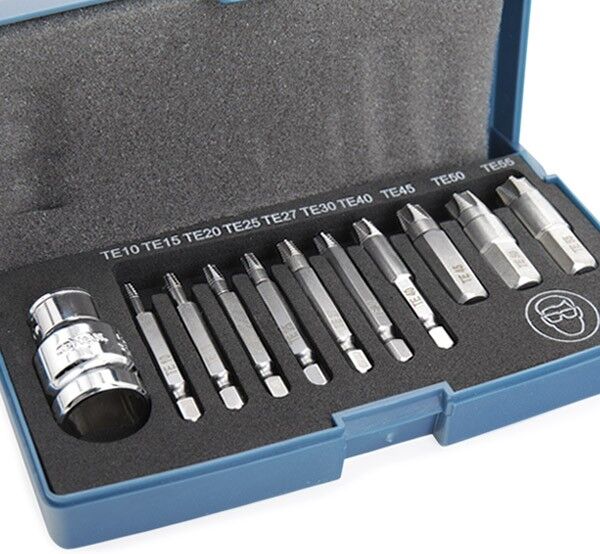

Similar search terms for KUNZER-7TXSA11-Screw-Extractor
Top-Angebote
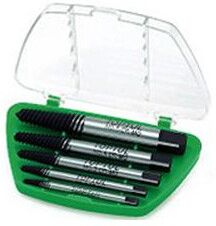
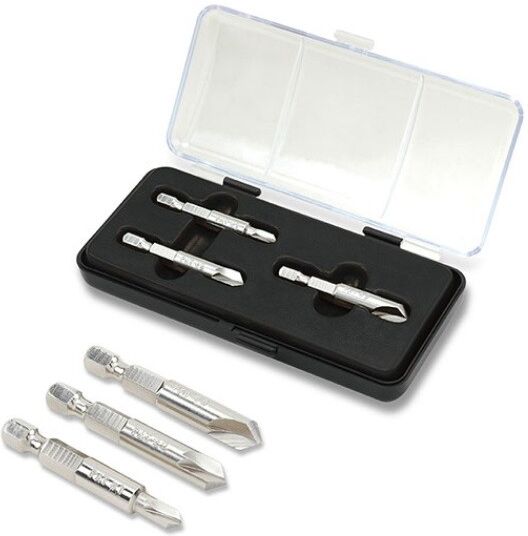
Products related to KUNZER-7TXSA11-Screw-Extractor:


-
Which pipes for extractor hood?
When choosing pipes for an extractor hood, it is important to consider the type of hood you have and the layout of your kitchen. Most extractor hoods require ducting pipes that are either round or rectangular in shape. Round pipes are commonly used for ventilation as they provide efficient airflow, while rectangular pipes are suitable for spaces with limited height. It is recommended to use smooth, rigid pipes to minimize air resistance and ensure optimal performance of the extractor hood. **
-
What is a honey extractor?
A honey extractor is a mechanical device used by beekeepers to extract honey from honeycombs without destroying them. It works by using centrifugal force to spin the frames of honeycomb, causing the honey to be flung out of the cells and collected at the bottom of the extractor. This process allows beekeepers to harvest honey efficiently and without damaging the comb, making it easier to reuse by the bees. Honey extractors come in various sizes and designs to accommodate different beekeeping operations. **
-
"Does my extractor hood work?"
To determine if your extractor hood is working, you can perform a simple test by turning it on and holding a piece of tissue paper near the hood vent. If the tissue paper is drawn towards the vent, then the extractor hood is working properly. Additionally, you can also check the filters and vents for any blockages or build-up of grease, as this can affect the performance of the hood. If you are still unsure, it may be best to consult a professional to inspect and service the extractor hood. **
-
How do you screw a screw together?
To screw a screw together, first align the two pieces you want to join and hold them firmly in place. Then, insert the screw into the hole in the first piece and begin turning it clockwise with a screwdriver or drill. As you turn the screw, it will start to pull the two pieces together. Continue turning the screw until it is fully tightened and the two pieces are securely joined. Be careful not to overtighten the screw, as this can damage the materials or strip the screw threads. **


Which filters for the extractor hood?
When choosing filters for an extractor hood, it is important to consider the type of cooking you do. For general cooking, a standard grease filter made of aluminum or stainless steel is sufficient to trap grease and oil particles. For more intense cooking that produces a lot of smoke and odors, a charcoal filter is recommended as it can help absorb and neutralize these elements. It is also important to regularly clean or replace the filters to maintain the efficiency of the extractor hood. **
Why is my extractor hood screaming?
Your extractor hood may be screaming due to a malfunction in the motor or fan blades. This could be caused by a build-up of grease or debris, which is putting strain on the motor. It is important to address this issue promptly to prevent further damage and ensure the proper functioning of your extractor hood. It is recommended to turn off the extractor hood and contact a professional for inspection and repair. **
Top-Angebote
Products related to KUNZER-7TXSA11-Screw-Extractor:
-
KUNZER 7TXSA11 Screw ExtractorDrive side (profile): External Hexagon; Drive [inch]: 1/2; Bolt Head-/Nut Design: Hexagon; Size: E10 / 6мм, E15 / 6мм, E20 / 6мм, E25 / 6мм, E27 / 6мм, E30 / 6мм, E40 / 6мм, E45 / 10 мм, E50 / 10 мм, E55 / 10 мм; Number of tools: 1123,49 £*Shipping: 8,45 £Secure redirect to the provider
-
Which extractor hood is suitable for a studio apartment?
For a studio apartment, a compact and space-saving extractor hood would be most suitable. A recirculating extractor hood would be a good choice as it does not require any external ventilation, making it easier to install in a small space. Look for a model with adjustable fan speeds and good filtration capabilities to effectively remove cooking odors and grease from the air in a confined space like a studio apartment. **
-
Which extractor hood is suitable for a one-room apartment?
For a one-room apartment, a compact and space-saving extractor hood would be most suitable. A recirculating extractor hood, which doesn't require ducting to the outside, would be a good option for a small space. Look for a model with a low noise level to minimize disturbance in the open living area. Additionally, consider a hood with built-in lighting to provide extra illumination in the kitchen area. **
-
Which pipes for extractor hood?
When choosing pipes for an extractor hood, it is important to consider the type of hood you have and the layout of your kitchen. Most extractor hoods require ducting pipes that are either round or rectangular in shape. Round pipes are commonly used for ventilation as they provide efficient airflow, while rectangular pipes are suitable for spaces with limited height. It is recommended to use smooth, rigid pipes to minimize air resistance and ensure optimal performance of the extractor hood. **
-
What is a honey extractor?
A honey extractor is a mechanical device used by beekeepers to extract honey from honeycombs without destroying them. It works by using centrifugal force to spin the frames of honeycomb, causing the honey to be flung out of the cells and collected at the bottom of the extractor. This process allows beekeepers to harvest honey efficiently and without damaging the comb, making it easier to reuse by the bees. Honey extractors come in various sizes and designs to accommodate different beekeeping operations. **
Similar search terms for KUNZER-7TXSA11-Screw-Extractor
-
"Does my extractor hood work?"
To determine if your extractor hood is working, you can perform a simple test by turning it on and holding a piece of tissue paper near the hood vent. If the tissue paper is drawn towards the vent, then the extractor hood is working properly. Additionally, you can also check the filters and vents for any blockages or build-up of grease, as this can affect the performance of the hood. If you are still unsure, it may be best to consult a professional to inspect and service the extractor hood. **
-
How do you screw a screw together?
To screw a screw together, first align the two pieces you want to join and hold them firmly in place. Then, insert the screw into the hole in the first piece and begin turning it clockwise with a screwdriver or drill. As you turn the screw, it will start to pull the two pieces together. Continue turning the screw until it is fully tightened and the two pieces are securely joined. Be careful not to overtighten the screw, as this can damage the materials or strip the screw threads. **
-
Which filters for the extractor hood?
When choosing filters for an extractor hood, it is important to consider the type of cooking you do. For general cooking, a standard grease filter made of aluminum or stainless steel is sufficient to trap grease and oil particles. For more intense cooking that produces a lot of smoke and odors, a charcoal filter is recommended as it can help absorb and neutralize these elements. It is also important to regularly clean or replace the filters to maintain the efficiency of the extractor hood. **
-
Why is my extractor hood screaming?
Your extractor hood may be screaming due to a malfunction in the motor or fan blades. This could be caused by a build-up of grease or debris, which is putting strain on the motor. It is important to address this issue promptly to prevent further damage and ensure the proper functioning of your extractor hood. It is recommended to turn off the extractor hood and contact a professional for inspection and repair. **
* All prices are inclusive of VAT and, if applicable, plus shipping costs. The offer information is based on the details provided by the respective shop and is updated through automated processes. Real-time updates do not occur, so deviations can occur in individual cases. ** Note: Parts of this content were created by AI.