Buy wohnung-mieten.eu ?
We are moving the project
wohnung-mieten.eu .
Are you interested in purchasing the domain
wohnung-mieten.eu ?
domain@kv-gmbh.de · 0541-91531010
Buy wohnung-mieten.eu ?
What is the smallest tortoise for an apartment?
The smallest tortoise species suitable for an apartment is the Russian tortoise (Agrionemys horsfieldii). They typically grow to be around 6-10 inches in length and are well-suited for indoor enclosures. Russian tortoises are relatively low-maintenance, making them a popular choice for apartment dwellers looking for a small pet tortoise. It is important to provide them with a proper enclosure, including a heat source, UVB lighting, and a varied diet to ensure their health and well-being. **
How can I learn French at home?
There are several ways to learn French at home. You can start by using online language learning platforms such as Duolingo, Babbel, or Rosetta Stone, which offer interactive lessons and exercises. Additionally, you can watch French movies and TV shows with subtitles, listen to French music and podcasts, and read French books and articles to immerse yourself in the language. It's also helpful to find a language exchange partner or join online language learning communities to practice speaking and writing in French. Finally, consider taking online courses or hiring a tutor for personalized instruction and feedback. **


Similar search terms for French-Home-Laguiole-Tortoise
Top-Angebote
Products related to French-Home-Laguiole-Tortoise:
-
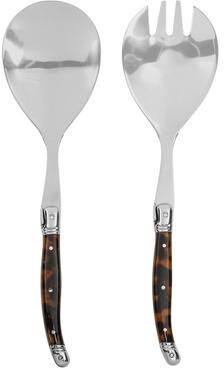
French Home Laguiole Tortoise Shell Charcuterie Utensils and Board SetCharcuterie offers some of the best food pairings and is ideal for casually elegant entertaining, especially when matched with French Home’s 12-piece set of Laguiole spreaders, cheese knives, serving forks and an acacia wood board.69,00 $*Shipping: 0,00 $Secure redirect to the provider
-
French Home Laguiole 13-Piece Tortoise Shell Charcuterie and Barware SetCharcuterie offers some of the best food pairings and is the ultimate in casually elegant entertaining, especially when matched with French Home’s 13-piece set of Laguiole spreaders, cheese knives, serving forks, and a corkscrew and bottle opener.82,00 $*Shipping: 0,00 $Secure redirect to the provider
-
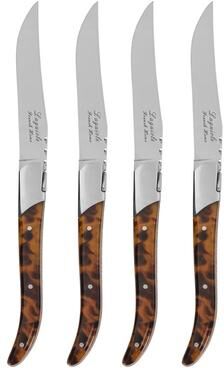
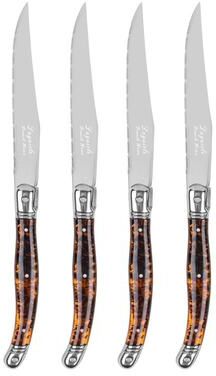
French Home Laguiole Connoisseur 4-Piece Steak Knife Set with Tortoise HandlesEffortlessly slice into a ribeye or filet with French Home’s sophisticated Connoisseur Laguiole steak knives, featuring captivating and classic tortoise shell handles.36,00 $*Shipping: 0,00 $Secure redirect to the provider


-
Which Laguiole knife is it and what wood is it made of?
The Laguiole knife is a traditional French folding knife known for its elegant design and high-quality craftsmanship. It is typically made with a handle crafted from a variety of materials, including wood, horn, or even synthetic materials. One popular version of the Laguiole knife features a handle made of olive wood, known for its beautiful grain patterns and durability. **
-
Which home trainers are suitable for a rental apartment?
For a rental apartment, it's best to choose home trainers that are compact, portable, and easy to store when not in use. Options like foldable exercise bikes, compact elliptical machines, or collapsible treadmills are great choices for renters. These types of home trainers can be easily moved in and out of the apartment and stored in a closet or under the bed when not in use, making them ideal for renters who may have limited space. Additionally, choosing home trainers with quiet operation can also be beneficial for apartment living to avoid disturbing neighbors. **
-
Does my tortoise eat sand?
No, your tortoise should not eat sand. Ingesting sand can lead to digestive issues and impaction, which can be harmful to your tortoise's health. It's important to provide your tortoise with a proper diet of leafy greens, vegetables, and occasional fruits, as well as a calcium supplement. If you're concerned about your tortoise's diet, it's best to consult with a veterinarian who specializes in reptiles. **
-
Does the Greek tortoise bite?
Yes, Greek tortoises can bite if they feel threatened or provoked. However, they are generally docile animals and will only bite as a last resort. It is important to handle them gently and with care to avoid any potential biting incidents. **

What is a Greek tortoise?
The Greek tortoise, also known as the spur-thighed tortoise, is a species of tortoise native to the Mediterranean region. They are known for their distinctive spurs on their thighs and their domed shells. Greek tortoises are herbivores, feeding mainly on grasses, weeds, and leafy greens. They are popular as pets due to their small size, hardiness, and relatively easy care requirements. **
Which tortoise does not burrow?
The African spurred tortoise (Centrochelys sulcata) does not burrow. This species is native to the southern edge of the Sahara Desert and is adapted to living in arid, open habitats where burrowing is not necessary for survival. Instead, they rely on their strong legs and tough skin to protect themselves from predators and extreme temperatures. **
Top-Angebote
Products related to French-Home-Laguiole-Tortoise:
-
French Home Laguiole Tortoise Shell Charcuterie Utensils and Board SetCharcuterie offers some of the best food pairings and is ideal for casually elegant entertaining, especially when matched with French Home’s 12-piece set of Laguiole spreaders, cheese knives, serving forks and an acacia wood board.69,00 $*Shipping: 0,00 $Secure redirect to the provider
-
What is the smallest tortoise for an apartment?
The smallest tortoise species suitable for an apartment is the Russian tortoise (Agrionemys horsfieldii). They typically grow to be around 6-10 inches in length and are well-suited for indoor enclosures. Russian tortoises are relatively low-maintenance, making them a popular choice for apartment dwellers looking for a small pet tortoise. It is important to provide them with a proper enclosure, including a heat source, UVB lighting, and a varied diet to ensure their health and well-being. **
-
How can I learn French at home?
There are several ways to learn French at home. You can start by using online language learning platforms such as Duolingo, Babbel, or Rosetta Stone, which offer interactive lessons and exercises. Additionally, you can watch French movies and TV shows with subtitles, listen to French music and podcasts, and read French books and articles to immerse yourself in the language. It's also helpful to find a language exchange partner or join online language learning communities to practice speaking and writing in French. Finally, consider taking online courses or hiring a tutor for personalized instruction and feedback. **
-
Which Laguiole knife is it and what wood is it made of?
The Laguiole knife is a traditional French folding knife known for its elegant design and high-quality craftsmanship. It is typically made with a handle crafted from a variety of materials, including wood, horn, or even synthetic materials. One popular version of the Laguiole knife features a handle made of olive wood, known for its beautiful grain patterns and durability. **
-
Which home trainers are suitable for a rental apartment?
For a rental apartment, it's best to choose home trainers that are compact, portable, and easy to store when not in use. Options like foldable exercise bikes, compact elliptical machines, or collapsible treadmills are great choices for renters. These types of home trainers can be easily moved in and out of the apartment and stored in a closet or under the bed when not in use, making them ideal for renters who may have limited space. Additionally, choosing home trainers with quiet operation can also be beneficial for apartment living to avoid disturbing neighbors. **
Similar search terms for French-Home-Laguiole-Tortoise
-
French Home Laguiole 13-Piece Tortoise Shell Charcuterie and Barware SetCharcuterie offers some of the best food pairings and is the ultimate in casually elegant entertaining, especially when matched with French Home’s 13-piece set of Laguiole spreaders, cheese knives, serving forks, and a corkscrew and bottle opener.82,00 $*Shipping: 0,00 $Secure redirect to the provider
-
French Home Laguiole Connoisseur 4-Piece Steak Knife Set with Tortoise HandlesEffortlessly slice into a ribeye or filet with French Home’s sophisticated Connoisseur Laguiole steak knives, featuring captivating and classic tortoise shell handles.36,00 $*Shipping: 0,00 $Secure redirect to the provider
-
French Home Laguiole Barware Bottle Opener & Corkscrew Set with Tortoise Shell HandlesIt’s 5 o’clock somewhere! Uncork the wine or open any bottle with ease using French Home’s elegant Laguiole corkscrew and bottle opener with classic and sophisticated tortoise shell handles.30,49 $*Shipping: 0,00 $Secure redirect to the provider
-
Does my tortoise eat sand?
No, your tortoise should not eat sand. Ingesting sand can lead to digestive issues and impaction, which can be harmful to your tortoise's health. It's important to provide your tortoise with a proper diet of leafy greens, vegetables, and occasional fruits, as well as a calcium supplement. If you're concerned about your tortoise's diet, it's best to consult with a veterinarian who specializes in reptiles. **
-
Does the Greek tortoise bite?
Yes, Greek tortoises can bite if they feel threatened or provoked. However, they are generally docile animals and will only bite as a last resort. It is important to handle them gently and with care to avoid any potential biting incidents. **
-
What is a Greek tortoise?
The Greek tortoise, also known as the spur-thighed tortoise, is a species of tortoise native to the Mediterranean region. They are known for their distinctive spurs on their thighs and their domed shells. Greek tortoises are herbivores, feeding mainly on grasses, weeds, and leafy greens. They are popular as pets due to their small size, hardiness, and relatively easy care requirements. **
-
Which tortoise does not burrow?
The African spurred tortoise (Centrochelys sulcata) does not burrow. This species is native to the southern edge of the Sahara Desert and is adapted to living in arid, open habitats where burrowing is not necessary for survival. Instead, they rely on their strong legs and tough skin to protect themselves from predators and extreme temperatures. **
* All prices are inclusive of VAT and, if applicable, plus shipping costs. The offer information is based on the details provided by the respective shop and is updated through automated processes. Real-time updates do not occur, so deviations can occur in individual cases. ** Note: Parts of this content were created by AI.