Buy wohnung-mieten.eu ?
We are moving the project
wohnung-mieten.eu .
Are you interested in purchasing the domain
wohnung-mieten.eu ?
domain@kv-gmbh.de · 0541-91531010
Buy wohnung-mieten.eu ?
Does saltwater corrode aluminum?
Yes, saltwater can corrode aluminum. When aluminum is exposed to saltwater, a chemical reaction occurs that leads to the formation of aluminum oxide, which is a type of corrosion known as pitting corrosion. This can weaken the aluminum and eventually lead to structural damage if not properly treated or protected. To prevent corrosion, it is important to use protective coatings or alloys that are more resistant to saltwater exposure. **
Why don't lemons corrode?
Lemons do not corrode because they have a high acidity level, which acts as a natural preservative. The citric acid in lemons helps to inhibit the growth of bacteria and other microorganisms that can cause corrosion. Additionally, the protective outer layer of the lemon peel helps to prevent the juice from coming into direct contact with metal surfaces, further reducing the risk of corrosion. Overall, the combination of acidity and protective barriers in lemons helps to prevent corrosion from occurring. **


Similar search terms for Corrode
Top-Angebote
Products related to Corrode:
-
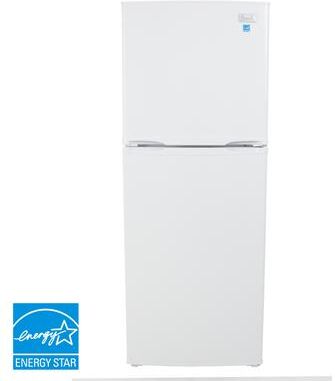
Avanti 11.6 cu. ft. Apartment Size Refrigerator, in WhiteStore your favorite food and beverages in this 11.6 cubic feet, white refrigerator from Avanti. The perfect apartment-size refrigerator, your food, and beverages stay fresh and cold thanks to the frost-free defrost system.965,99 $*Shipping: 0,00 $Secure redirect to the provider
-
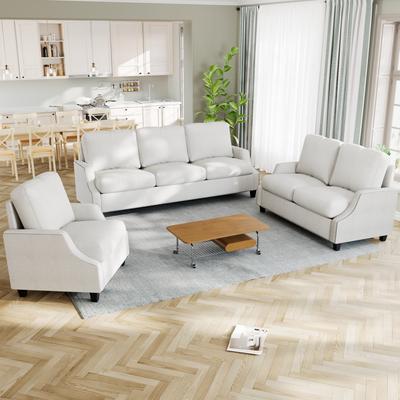
GDFStudio - Polyester 3-Piece Living Room Sofa Furniture Sets for ApartmentStatement Scale & Balanced Proportion: This three-piece living room set is designed to form an inviting yet composed seating group for everyday life — a three-seater sofa, a two-seater loveseat and a single accent chair that together offer abundant…937,38 $*Shipping: 0,00 $Secure redirect to the provider
-
Space-Saving Foldable Computer Desk for Home Office, Bedroom, Dorm, Apartment"This foldable desk offers a wide surface for laptops, monitors, or decor, along with shelves and storage for books and supplies. Its space-saving design folds down to just 13.14"" wide, making it ideal for bedrooms, apartments, dorms, and small offices."445,49 $*Shipping: 0,00 $Secure redirect to the provider


-
Can stomach acid corrode glass?
Stomach acid, also known as hydrochloric acid, is a strong acid that can corrode many materials, including glass. However, glass is generally resistant to the corrosive effects of stomach acid due to its non-reactive nature. While prolonged exposure to stomach acid may eventually cause some etching or dulling of the glass surface, it is unlikely to cause significant corrosion or damage. **
-
Why do acids and bases corrode?
Acids and bases are corrosive because they have the ability to react with and break down materials they come into contact with. Acids donate protons, which can react with metals, causing them to corrode. Bases, on the other hand, can react with fats and oils, breaking them down and causing corrosion. The corrosive nature of acids and bases is due to their ability to chemically react with substances, leading to degradation and deterioration of materials. **
-
Do batteries, especially button cells, really leak and corrode after years?
Yes, batteries, including button cells, can leak and corrode over time. This is typically caused by a chemical reaction within the battery that leads to the leakage of corrosive materials. This can happen more frequently in older or expired batteries. It is important to regularly check and replace batteries to prevent leakage and corrosion, which can damage electronic devices. **
-
Why do acids corrode base metals? Explain this using an example.
Acids corrode base metals because they can donate hydrogen ions (H+) to the metal surface, leading to the formation of metal ions and hydrogen gas. This process weakens the metal structure, making it more susceptible to corrosion. For example, when hydrochloric acid (HCl) comes into contact with iron (Fe), it reacts to form iron chloride (FeCl2) and hydrogen gas (H2), causing the iron to corrode and deteriorate over time. **

Is there an acid that can corrode almost anything in seconds?
There is no single acid that can corrode almost anything in seconds. While there are strong acids such as hydrochloric acid and sulfuric acid that can corrode many materials, they do not instantly corrode everything. The speed and extent of corrosion depend on the specific material and the concentration of the acid. Additionally, there are some materials that are resistant to corrosion from even the strongest acids. **
Do batteries, especially button cells, really run out and corrode after years?
Yes, batteries, including button cells, can run out and corrode after years of use. Over time, the chemicals inside the battery can degrade, leading to a decrease in power output. Additionally, if a battery is left unused for an extended period, it can leak and corrode, causing damage to the device it is powering. It is important to regularly check and replace batteries to prevent these issues. **
Top-Angebote
Products related to Corrode:
-
Stellar Zero Uncoated Apartment Essentials BundleEnjoy effortless cooking without traditional non-stick coatings with the Stellar Zero Uncoated Apartment Essentials Bundle. Made from 100% pure stainless steel with an innovative precision-etched cooking surface, this versatile three-piece set provides excellent food release without the use of PFAS or PTFE coatings. Featuring Tri-Ply construction, each pan combines layers of stainless steel and aluminium to provide fast, even heat distribution and excellent temperature control. The pans respond quickly to changes in heat, helping you achieve consistent results while cooking efficiently. The set includes a 24cm frying pan, 28cm sauté pan with glass lid and a 24cm casserole, providing three essential pieces for everyday cooking. From frying and searing to simmering, slow cooking and preparing family favourites, this versatile selection is ideal for a wide range of dishes. The uncoated stainless steel construction offers the durability of stainless steel without a conventional non-stick coating. The precision-etched surface is designed to provide non-stick performance and is safe to use with metal utensils, making it well suited to everyday cooking. Suitable for all hob types, including induction, the cookware is oven safe up to 240°C and dishwasher safe for easy cleaning. Backed by Stellar's 25-year guarantee, the Zero collection combines innovative uncoated cooking technology with durable construction designed to last.224,95 £*Shipping: 0,00 £Secure redirect to the provider
-
Avanti 11.6 cu. ft. Apartment Size Refrigerator, in WhiteStore your favorite food and beverages in this 11.6 cubic feet, white refrigerator from Avanti. The perfect apartment-size refrigerator, your food, and beverages stay fresh and cold thanks to the frost-free defrost system.965,99 $*Shipping: 0,00 $Secure redirect to the provider
-
Does saltwater corrode aluminum?
Yes, saltwater can corrode aluminum. When aluminum is exposed to saltwater, a chemical reaction occurs that leads to the formation of aluminum oxide, which is a type of corrosion known as pitting corrosion. This can weaken the aluminum and eventually lead to structural damage if not properly treated or protected. To prevent corrosion, it is important to use protective coatings or alloys that are more resistant to saltwater exposure. **
-
Why don't lemons corrode?
Lemons do not corrode because they have a high acidity level, which acts as a natural preservative. The citric acid in lemons helps to inhibit the growth of bacteria and other microorganisms that can cause corrosion. Additionally, the protective outer layer of the lemon peel helps to prevent the juice from coming into direct contact with metal surfaces, further reducing the risk of corrosion. Overall, the combination of acidity and protective barriers in lemons helps to prevent corrosion from occurring. **
-
Can stomach acid corrode glass?
Stomach acid, also known as hydrochloric acid, is a strong acid that can corrode many materials, including glass. However, glass is generally resistant to the corrosive effects of stomach acid due to its non-reactive nature. While prolonged exposure to stomach acid may eventually cause some etching or dulling of the glass surface, it is unlikely to cause significant corrosion or damage. **
-
Why do acids and bases corrode?
Acids and bases are corrosive because they have the ability to react with and break down materials they come into contact with. Acids donate protons, which can react with metals, causing them to corrode. Bases, on the other hand, can react with fats and oils, breaking them down and causing corrosion. The corrosive nature of acids and bases is due to their ability to chemically react with substances, leading to degradation and deterioration of materials. **
Similar search terms for Corrode
-
GDFStudio - Polyester 3-Piece Living Room Sofa Furniture Sets for ApartmentStatement Scale & Balanced Proportion: This three-piece living room set is designed to form an inviting yet composed seating group for everyday life — a three-seater sofa, a two-seater loveseat and a single accent chair that together offer abundant…937,38 $*Shipping: 0,00 $Secure redirect to the provider
-
Space-Saving Foldable Computer Desk for Home Office, Bedroom, Dorm, Apartment"This foldable desk offers a wide surface for laptops, monitors, or decor, along with shelves and storage for books and supplies. Its space-saving design folds down to just 13.14"" wide, making it ideal for bedrooms, apartments, dorms, and small offices."445,49 $*Shipping: 0,00 $Secure redirect to the provider
-
Modern Couch Fabric Comfy Sofa bed for Apartment, Living Room, StudioProduct Features Multifunctional sofa bed:Suitable for Any Scene,No Longer Worry about Unexpected Guests. User-friendly Design: easy to store the chair and save space for unused time.289,99 $*Shipping: 0,00 $Secure redirect to the provider
-
Do batteries, especially button cells, really leak and corrode after years?
Yes, batteries, including button cells, can leak and corrode over time. This is typically caused by a chemical reaction within the battery that leads to the leakage of corrosive materials. This can happen more frequently in older or expired batteries. It is important to regularly check and replace batteries to prevent leakage and corrosion, which can damage electronic devices. **
-
Why do acids corrode base metals? Explain this using an example.
Acids corrode base metals because they can donate hydrogen ions (H+) to the metal surface, leading to the formation of metal ions and hydrogen gas. This process weakens the metal structure, making it more susceptible to corrosion. For example, when hydrochloric acid (HCl) comes into contact with iron (Fe), it reacts to form iron chloride (FeCl2) and hydrogen gas (H2), causing the iron to corrode and deteriorate over time. **
-
Is there an acid that can corrode almost anything in seconds?
There is no single acid that can corrode almost anything in seconds. While there are strong acids such as hydrochloric acid and sulfuric acid that can corrode many materials, they do not instantly corrode everything. The speed and extent of corrosion depend on the specific material and the concentration of the acid. Additionally, there are some materials that are resistant to corrosion from even the strongest acids. **
-
Do batteries, especially button cells, really run out and corrode after years?
Yes, batteries, including button cells, can run out and corrode after years of use. Over time, the chemicals inside the battery can degrade, leading to a decrease in power output. Additionally, if a battery is left unused for an extended period, it can leak and corrode, causing damage to the device it is powering. It is important to regularly check and replace batteries to prevent these issues. **
* All prices are inclusive of VAT and, if applicable, plus shipping costs. The offer information is based on the details provided by the respective shop and is updated through automated processes. Real-time updates do not occur, so deviations can occur in individual cases. ** Note: Parts of this content were created by AI.