Buy wohnung-mieten.eu ?
We are moving the project
wohnung-mieten.eu .
Are you interested in purchasing the domain
wohnung-mieten.eu ?
domain@kv-gmbh.de · 0541-91531010
Buy wohnung-mieten.eu ?
How does explosion protection work in screw conveyors?
Explosion protection in screw conveyors typically involves several measures to prevent the ignition of combustible materials and the propagation of explosions. These measures may include the use of explosion venting panels to release pressure in the event of an explosion, flame arrestors to prevent flames from traveling through the conveyor, and inerting systems to reduce the oxygen concentration in the conveying system. Additionally, the design and construction of the screw conveyor may incorporate features such as grounding and bonding to prevent static electricity buildup, and the use of non-sparking materials to minimize the risk of ignition. Overall, explosion protection in screw conveyors aims to minimize the potential for combustible materials to ignite and to mitigate the impact of any potential explosions. **
How can material blockage in screw conveyors be prevented? (See image)
Material blockage in screw conveyors can be prevented by implementing several measures. First, proper equipment design and selection is crucial to ensure that the screw conveyor is suitable for the specific material being handled. Additionally, regular maintenance and cleaning of the conveyor system is important to prevent build-up and blockages. Using appropriate screw designs, such as variable pitch or shaftless screws, can also help to prevent material blockage. Finally, monitoring the material flow and adjusting the conveyor speed or capacity as needed can help to prevent blockages from occurring. **


Similar search terms for Conveyors
Top-Angebote
Products related to Conveyors:
-
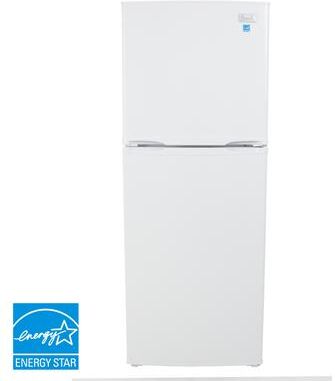
Avanti 11.6 cu. ft. Apartment Size Refrigerator, in WhiteStore your favorite food and beverages in this 11.6 cubic feet, white refrigerator from Avanti. The perfect apartment-size refrigerator, your food, and beverages stay fresh and cold thanks to the frost-free defrost system.965,99 $*Shipping: 0,00 $Secure redirect to the provider
-
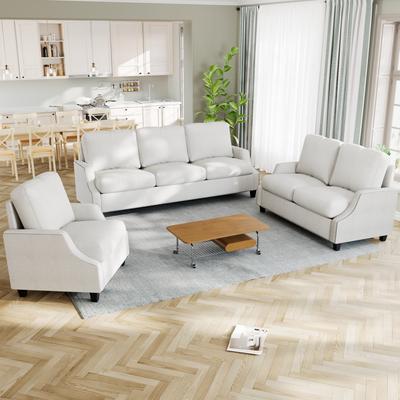
GDFStudio - Polyester 3-Piece Living Room Sofa Furniture Sets for ApartmentStatement Scale & Balanced Proportion: This three-piece living room set is designed to form an inviting yet composed seating group for everyday life — a three-seater sofa, a two-seater loveseat and a single accent chair that together offer abundant…940,09 $*Shipping: 0,00 $Secure redirect to the provider
-
Space-Saving Foldable Computer Desk for Home Office, Bedroom, Dorm, Apartment"This foldable desk offers a wide surface for laptops, monitors, or decor, along with shelves and storage for books and supplies. Its space-saving design folds down to just 13.14"" wide, making it ideal for bedrooms, apartments, dorms, and small offices."445,49 $*Shipping: 0,00 $Secure redirect to the provider



-
What is the difference between floor-mounted and floor-free continuous conveyors?
Floor-mounted continuous conveyors are fixed to the ground and require a solid foundation for installation, while floor-free continuous conveyors are suspended from the ceiling or walls, eliminating the need for a floor-mounted structure. Floor-mounted conveyors are typically more stable and can handle heavier loads, while floor-free conveyors offer more flexibility in terms of layout and can be easily reconfigured or relocated. Additionally, floor-free conveyors can help optimize floor space and improve accessibility for maintenance and cleaning purposes. **
-
What is the difference between aisle-free and aisle-bound continuous conveyors?
Aisle-free continuous conveyors are systems that do not require aisles for access, as they can transport items directly to their destination without the need for human intervention. On the other hand, aisle-bound continuous conveyors are systems that require aisles for access, as they transport items to a specific location where they need to be manually unloaded or loaded. **
-
What is the difference between floor-free and floor-bound continuous conveyors?
Floor-free continuous conveyors are elevated systems that do not require a floor-mounted track or support structure, allowing for greater flexibility in layout and space utilization. On the other hand, floor-bound continuous conveyors are fixed to the floor, limiting their mobility and layout options. Floor-free conveyors are often used in applications where space is limited or where a more dynamic layout is required, while floor-bound conveyors are typically used in more traditional, fixed layouts. **
-
Is it a coincidence that Wudu starts exactly at the 3 main conveyors?
No, it is not a coincidence that Wudu starts exactly at the 3 main conveyors. The timing of Wudu is strategically designed to align with the main conveyors in order to optimize the workflow and efficiency of the production process. By starting Wudu at the 3 main conveyors, the company can ensure that the cleaning process is integrated seamlessly into the overall production line, minimizing downtime and maximizing productivity. This deliberate synchronization helps to streamline operations and maintain a smooth and continuous workflow. **

How can one register a second residence in a rental apartment?
To register a second residence in a rental apartment, you will need to check with your local government or municipality to understand the specific requirements and procedures. In some places, you may need to provide documentation such as a lease agreement, proof of address, and identification. It's important to communicate with your landlord and ensure that they are aware and approve of your intention to register a second residence in the rental apartment. Additionally, you may need to update your address with relevant institutions such as the post office, banks, and government agencies. **
When was the mold discovered in the rental apartment before signing the lease?
The mold was discovered in the rental apartment before signing the lease during the walkthrough inspection conducted by the prospective tenant and the landlord. The presence of mold was identified as a potential health hazard and a condition that needed to be addressed before the lease could be signed. The discovery of mold prompted discussions between the tenant and landlord about remediation efforts and responsibilities for ensuring a safe living environment. **
Top-Angebote
Products related to Conveyors:
-
Stellar Zero Uncoated Apartment Essentials BundleEnjoy effortless cooking without traditional non-stick coatings with the Stellar Zero Uncoated Apartment Essentials Bundle. Made from 100% pure stainless steel with an innovative precision-etched cooking surface, this versatile three-piece set provides excellent food release without the use of PFAS or PTFE coatings. Featuring Tri-Ply construction, each pan combines layers of stainless steel and aluminium to provide fast, even heat distribution and excellent temperature control. The pans respond quickly to changes in heat, helping you achieve consistent results while cooking efficiently. The set includes a 24cm frying pan, 28cm sauté pan with glass lid and a 24cm casserole, providing three essential pieces for everyday cooking. From frying and searing to simmering, slow cooking and preparing family favourites, this versatile selection is ideal for a wide range of dishes. The uncoated stainless steel construction offers the durability of stainless steel without a conventional non-stick coating. The precision-etched surface is designed to provide non-stick performance and is safe to use with metal utensils, making it well suited to everyday cooking. Suitable for all hob types, including induction, the cookware is oven safe up to 240°C and dishwasher safe for easy cleaning. Backed by Stellar's 25-year guarantee, the Zero collection combines innovative uncoated cooking technology with durable construction designed to last.224,95 £*Shipping: 0,00 £Secure redirect to the provider
-
Avanti 11.6 cu. ft. Apartment Size Refrigerator, in WhiteStore your favorite food and beverages in this 11.6 cubic feet, white refrigerator from Avanti. The perfect apartment-size refrigerator, your food, and beverages stay fresh and cold thanks to the frost-free defrost system.965,99 $*Shipping: 0,00 $Secure redirect to the provider
-
How does explosion protection work in screw conveyors?
Explosion protection in screw conveyors typically involves several measures to prevent the ignition of combustible materials and the propagation of explosions. These measures may include the use of explosion venting panels to release pressure in the event of an explosion, flame arrestors to prevent flames from traveling through the conveyor, and inerting systems to reduce the oxygen concentration in the conveying system. Additionally, the design and construction of the screw conveyor may incorporate features such as grounding and bonding to prevent static electricity buildup, and the use of non-sparking materials to minimize the risk of ignition. Overall, explosion protection in screw conveyors aims to minimize the potential for combustible materials to ignite and to mitigate the impact of any potential explosions. **
-
How can material blockage in screw conveyors be prevented? (See image)
Material blockage in screw conveyors can be prevented by implementing several measures. First, proper equipment design and selection is crucial to ensure that the screw conveyor is suitable for the specific material being handled. Additionally, regular maintenance and cleaning of the conveyor system is important to prevent build-up and blockages. Using appropriate screw designs, such as variable pitch or shaftless screws, can also help to prevent material blockage. Finally, monitoring the material flow and adjusting the conveyor speed or capacity as needed can help to prevent blockages from occurring. **
-
What is the difference between floor-mounted and floor-free continuous conveyors?
Floor-mounted continuous conveyors are fixed to the ground and require a solid foundation for installation, while floor-free continuous conveyors are suspended from the ceiling or walls, eliminating the need for a floor-mounted structure. Floor-mounted conveyors are typically more stable and can handle heavier loads, while floor-free conveyors offer more flexibility in terms of layout and can be easily reconfigured or relocated. Additionally, floor-free conveyors can help optimize floor space and improve accessibility for maintenance and cleaning purposes. **
-
What is the difference between aisle-free and aisle-bound continuous conveyors?
Aisle-free continuous conveyors are systems that do not require aisles for access, as they can transport items directly to their destination without the need for human intervention. On the other hand, aisle-bound continuous conveyors are systems that require aisles for access, as they transport items to a specific location where they need to be manually unloaded or loaded. **
Similar search terms for Conveyors
-
GDFStudio - Polyester 3-Piece Living Room Sofa Furniture Sets for ApartmentStatement Scale & Balanced Proportion: This three-piece living room set is designed to form an inviting yet composed seating group for everyday life — a three-seater sofa, a two-seater loveseat and a single accent chair that together offer abundant…940,09 $*Shipping: 0,00 $Secure redirect to the provider
-
Space-Saving Foldable Computer Desk for Home Office, Bedroom, Dorm, Apartment"This foldable desk offers a wide surface for laptops, monitors, or decor, along with shelves and storage for books and supplies. Its space-saving design folds down to just 13.14"" wide, making it ideal for bedrooms, apartments, dorms, and small offices."445,49 $*Shipping: 0,00 $Secure redirect to the provider
-
Modern Couch Fabric Comfy Sofa bed for Apartment, Living Room, StudioProduct Features Multifunctional sofa bed:Suitable for Any Scene,No Longer Worry about Unexpected Guests. User-friendly Design: easy to store the chair and save space for unused time.289,99 $*Shipping: 0,00 $Secure redirect to the provider
-
What is the difference between floor-free and floor-bound continuous conveyors?
Floor-free continuous conveyors are elevated systems that do not require a floor-mounted track or support structure, allowing for greater flexibility in layout and space utilization. On the other hand, floor-bound continuous conveyors are fixed to the floor, limiting their mobility and layout options. Floor-free conveyors are often used in applications where space is limited or where a more dynamic layout is required, while floor-bound conveyors are typically used in more traditional, fixed layouts. **
-
Is it a coincidence that Wudu starts exactly at the 3 main conveyors?
No, it is not a coincidence that Wudu starts exactly at the 3 main conveyors. The timing of Wudu is strategically designed to align with the main conveyors in order to optimize the workflow and efficiency of the production process. By starting Wudu at the 3 main conveyors, the company can ensure that the cleaning process is integrated seamlessly into the overall production line, minimizing downtime and maximizing productivity. This deliberate synchronization helps to streamline operations and maintain a smooth and continuous workflow. **
-
How can one register a second residence in a rental apartment?
To register a second residence in a rental apartment, you will need to check with your local government or municipality to understand the specific requirements and procedures. In some places, you may need to provide documentation such as a lease agreement, proof of address, and identification. It's important to communicate with your landlord and ensure that they are aware and approve of your intention to register a second residence in the rental apartment. Additionally, you may need to update your address with relevant institutions such as the post office, banks, and government agencies. **
-
When was the mold discovered in the rental apartment before signing the lease?
The mold was discovered in the rental apartment before signing the lease during the walkthrough inspection conducted by the prospective tenant and the landlord. The presence of mold was identified as a potential health hazard and a condition that needed to be addressed before the lease could be signed. The discovery of mold prompted discussions between the tenant and landlord about remediation efforts and responsibilities for ensuring a safe living environment. **
* All prices are inclusive of VAT and, if applicable, plus shipping costs. The offer information is based on the details provided by the respective shop and is updated through automated processes. Real-time updates do not occur, so deviations can occur in individual cases. ** Note: Parts of this content were created by AI.