Buy wohnung-mieten.eu ?
We are moving the project
wohnung-mieten.eu .
Are you interested in purchasing the domain
wohnung-mieten.eu ?
domain@kv-gmbh.de · 0541-91531010
Buy wohnung-mieten.eu ?
What are mitochondria?
Mitochondria are membrane-bound organelles found in the cells of most eukaryotic organisms. They are often referred to as the powerhouse of the cell because they are responsible for producing the majority of the cell's energy in the form of adenosine triphosphate (ATP) through a process called cellular respiration. Mitochondria have their own DNA and are believed to have originated from ancient bacteria that were engulfed by a primitive eukaryotic cell through a process called endosymbiosis. They play a crucial role in various cellular functions, including metabolism, signaling, and cell death. **
Why are mitochondria important?
Mitochondria are important because they are the powerhouse of the cell, producing the majority of the cell's energy in the form of ATP through the process of cellular respiration. This energy is essential for various cellular functions, including growth, repair, and division. Additionally, mitochondria play a crucial role in regulating cell metabolism, signaling, and cell death. Dysfunction of mitochondria has been linked to various diseases, highlighting their importance in overall cellular health and function. **


Similar search terms for Mitochondria
Top-Angebote
Products related to Mitochondria:
-
Avanti 11.6 cu. ft. Apartment Size Refrigerator, in WhiteStore your favorite food and beverages in this 11.6 cubic feet, white refrigerator from Avanti. The perfect apartment-size refrigerator, your food, and beverages stay fresh and cold thanks to the frost-free defrost system.965,99 $*Shipping: 0,00 $Secure redirect to the provider
-
Space-Saving Foldable Computer Desk for Home Office, Bedroom, Dorm, Apartment"This foldable desk offers a wide surface for laptops, monitors, or decor, along with shelves and storage for books and supplies. Its space-saving design folds down to just 13.14"" wide, making it ideal for bedrooms, apartments, dorms, and small offices."445,49 $*Shipping: 0,00 $Secure redirect to the provider
-
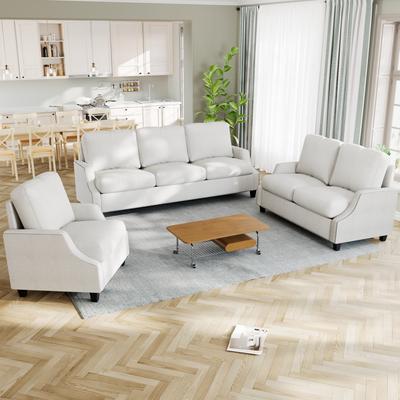
GDFStudio - Polyester 3-Piece Living Room Sofa Furniture Sets for ApartmentStatement Scale & Balanced Proportion: This three-piece living room set is designed to form an inviting yet composed seating group for everyday life — a three-seater sofa, a two-seater loveseat and a single accent chair that together offer abundant…937,38 $*Shipping: 0,00 $Secure redirect to the provider



-
How are mitochondria formed?
Mitochondria are formed through a process called mitochondrial biogenesis, which involves the growth and division of existing mitochondria. Mitochondria have their own DNA and can replicate independently of the cell's nucleus. When a cell needs more energy, it signals for the production of new mitochondria through a complex interplay of signaling pathways and regulatory proteins. This process ensures that the cell has an adequate supply of mitochondria to meet its energy demands. **
-
How did mitochondria originate?
Mitochondria are believed to have originated from a symbiotic relationship between an ancestral eukaryotic cell and an ancient prokaryotic organism, specifically an alpha-proteobacteria. This symbiotic relationship is thought to have occurred around 1.5 billion years ago, with the prokaryotic organism being engulfed by the eukaryotic cell but not digested. Over time, this prokaryotic organism evolved into the mitochondria we see in eukaryotic cells today. This theory is supported by the fact that mitochondria have their own DNA, similar to that of bacteria, and replicate independently of the host cell. **
-
Do all cells have mitochondria?
No, not all cells have mitochondria. Mitochondria are organelles found in eukaryotic cells, which are cells that have a true nucleus and membrane-bound organelles. Prokaryotic cells, such as bacteria, do not have mitochondria. Additionally, some eukaryotic cells, like red blood cells, lose their mitochondria as they mature. **
-
Do animal cells have mitochondria?
Yes, animal cells do have mitochondria. Mitochondria are known as the powerhouse of the cell because they are responsible for producing energy in the form of ATP through a process called cellular respiration. This organelle is found in most eukaryotic cells, including animal cells, and plays a crucial role in metabolism and energy production. **


What are mitochondria and chloroplasts?
Mitochondria are membrane-bound organelles found in the cells of eukaryotic organisms, responsible for producing energy in the form of ATP through cellular respiration. They have their own DNA and are thought to have originated from ancient bacteria through endosymbiosis. Chloroplasts are also membrane-bound organelles found in plant cells and some protists, responsible for photosynthesis, the process by which they convert sunlight into energy-rich molecules like glucose. Like mitochondria, chloroplasts also have their own DNA and are believed to have originated from ancient photosynthetic bacteria through endosymbiosis. **
What are mitochondria in biology?
Mitochondria are membrane-bound organelles found in the cytoplasm of eukaryotic cells. They are often referred to as the "powerhouses" of the cell because they are responsible for producing the majority of the cell's energy in the form of adenosine triphosphate (ATP) through the process of cellular respiration. Mitochondria also play a role in regulating cellular metabolism, signaling, and cell death. They contain their own DNA and are believed to have originated from an ancient symbiotic relationship between a eukaryotic cell and a prokaryotic organism. **
Top-Angebote
Products related to Mitochondria:
-
Stellar Zero Uncoated Apartment Essentials BundleEnjoy effortless cooking without traditional non-stick coatings with the Stellar Zero Uncoated Apartment Essentials Bundle. Made from 100% pure stainless steel with an innovative precision-etched cooking surface, this versatile three-piece set provides excellent food release without the use of PFAS or PTFE coatings. Featuring Tri-Ply construction, each pan combines layers of stainless steel and aluminium to provide fast, even heat distribution and excellent temperature control. The pans respond quickly to changes in heat, helping you achieve consistent results while cooking efficiently. The set includes a 24cm frying pan, 28cm sauté pan with glass lid and a 24cm casserole, providing three essential pieces for everyday cooking. From frying and searing to simmering, slow cooking and preparing family favourites, this versatile selection is ideal for a wide range of dishes. The uncoated stainless steel construction offers the durability of stainless steel without a conventional non-stick coating. The precision-etched surface is designed to provide non-stick performance and is safe to use with metal utensils, making it well suited to everyday cooking. Suitable for all hob types, including induction, the cookware is oven safe up to 240°C and dishwasher safe for easy cleaning. Backed by Stellar's 25-year guarantee, the Zero collection combines innovative uncoated cooking technology with durable construction designed to last.224,95 £*Shipping: 0,00 £Secure redirect to the provider
-
Avanti 11.6 cu. ft. Apartment Size Refrigerator, in WhiteStore your favorite food and beverages in this 11.6 cubic feet, white refrigerator from Avanti. The perfect apartment-size refrigerator, your food, and beverages stay fresh and cold thanks to the frost-free defrost system.965,99 $*Shipping: 0,00 $Secure redirect to the provider
-
What are mitochondria?
Mitochondria are membrane-bound organelles found in the cells of most eukaryotic organisms. They are often referred to as the powerhouse of the cell because they are responsible for producing the majority of the cell's energy in the form of adenosine triphosphate (ATP) through a process called cellular respiration. Mitochondria have their own DNA and are believed to have originated from ancient bacteria that were engulfed by a primitive eukaryotic cell through a process called endosymbiosis. They play a crucial role in various cellular functions, including metabolism, signaling, and cell death. **
-
Why are mitochondria important?
Mitochondria are important because they are the powerhouse of the cell, producing the majority of the cell's energy in the form of ATP through the process of cellular respiration. This energy is essential for various cellular functions, including growth, repair, and division. Additionally, mitochondria play a crucial role in regulating cell metabolism, signaling, and cell death. Dysfunction of mitochondria has been linked to various diseases, highlighting their importance in overall cellular health and function. **
-
How are mitochondria formed?
Mitochondria are formed through a process called mitochondrial biogenesis, which involves the growth and division of existing mitochondria. Mitochondria have their own DNA and can replicate independently of the cell's nucleus. When a cell needs more energy, it signals for the production of new mitochondria through a complex interplay of signaling pathways and regulatory proteins. This process ensures that the cell has an adequate supply of mitochondria to meet its energy demands. **
-
How did mitochondria originate?
Mitochondria are believed to have originated from a symbiotic relationship between an ancestral eukaryotic cell and an ancient prokaryotic organism, specifically an alpha-proteobacteria. This symbiotic relationship is thought to have occurred around 1.5 billion years ago, with the prokaryotic organism being engulfed by the eukaryotic cell but not digested. Over time, this prokaryotic organism evolved into the mitochondria we see in eukaryotic cells today. This theory is supported by the fact that mitochondria have their own DNA, similar to that of bacteria, and replicate independently of the host cell. **
Similar search terms for Mitochondria
-
Space-Saving Foldable Computer Desk for Home Office, Bedroom, Dorm, Apartment"This foldable desk offers a wide surface for laptops, monitors, or decor, along with shelves and storage for books and supplies. Its space-saving design folds down to just 13.14"" wide, making it ideal for bedrooms, apartments, dorms, and small offices."445,49 $*Shipping: 0,00 $Secure redirect to the provider
-
GDFStudio - Polyester 3-Piece Living Room Sofa Furniture Sets for ApartmentStatement Scale & Balanced Proportion: This three-piece living room set is designed to form an inviting yet composed seating group for everyday life — a three-seater sofa, a two-seater loveseat and a single accent chair that together offer abundant…937,38 $*Shipping: 0,00 $Secure redirect to the provider
-
Modern Couch Fabric Comfy Sofa bed for Apartment, Living Room, StudioProduct Features Multifunctional sofa bed:Suitable for Any Scene,No Longer Worry about Unexpected Guests. User-friendly Design: easy to store the chair and save space for unused time.289,99 $*Shipping: 0,00 $Secure redirect to the provider
-
Do all cells have mitochondria?
No, not all cells have mitochondria. Mitochondria are organelles found in eukaryotic cells, which are cells that have a true nucleus and membrane-bound organelles. Prokaryotic cells, such as bacteria, do not have mitochondria. Additionally, some eukaryotic cells, like red blood cells, lose their mitochondria as they mature. **
-
Do animal cells have mitochondria?
Yes, animal cells do have mitochondria. Mitochondria are known as the powerhouse of the cell because they are responsible for producing energy in the form of ATP through a process called cellular respiration. This organelle is found in most eukaryotic cells, including animal cells, and plays a crucial role in metabolism and energy production. **
-
What are mitochondria and chloroplasts?
Mitochondria are membrane-bound organelles found in the cells of eukaryotic organisms, responsible for producing energy in the form of ATP through cellular respiration. They have their own DNA and are thought to have originated from ancient bacteria through endosymbiosis. Chloroplasts are also membrane-bound organelles found in plant cells and some protists, responsible for photosynthesis, the process by which they convert sunlight into energy-rich molecules like glucose. Like mitochondria, chloroplasts also have their own DNA and are believed to have originated from ancient photosynthetic bacteria through endosymbiosis. **
-
What are mitochondria in biology?
Mitochondria are membrane-bound organelles found in the cytoplasm of eukaryotic cells. They are often referred to as the "powerhouses" of the cell because they are responsible for producing the majority of the cell's energy in the form of adenosine triphosphate (ATP) through the process of cellular respiration. Mitochondria also play a role in regulating cellular metabolism, signaling, and cell death. They contain their own DNA and are believed to have originated from an ancient symbiotic relationship between a eukaryotic cell and a prokaryotic organism. **
* All prices are inclusive of VAT and, if applicable, plus shipping costs. The offer information is based on the details provided by the respective shop and is updated through automated processes. Real-time updates do not occur, so deviations can occur in individual cases. ** Note: Parts of this content were created by AI.