Buy wohnung-mieten.eu ?
We are moving the project
wohnung-mieten.eu .
Are you interested in purchasing the domain
wohnung-mieten.eu ?
domain@kv-gmbh.de · 0541-91531010
Buy wohnung-mieten.eu ?
Who invented bacteria?
The discovery of bacteria is attributed to Dutch scientist Antonie van Leeuwenhoek. He is considered the "Father of Microbiology" and is credited with being the first person to observe and document bacteria using a microscope in the 17th century. **
Are bacteria protists?
No, bacteria are not protists. Bacteria are single-celled microorganisms that lack a nucleus and other membrane-bound organelles, and they belong to the domain Bacteria. On the other hand, protists are a diverse group of eukaryotic microorganisms that can be single-celled or multicellular, and they belong to the domain Eukarya. Therefore, bacteria and protists are two distinct groups of microorganisms with different characteristics and evolutionary histories. **


Similar search terms for Bacteria
Top-Angebote
Products related to Bacteria:
-
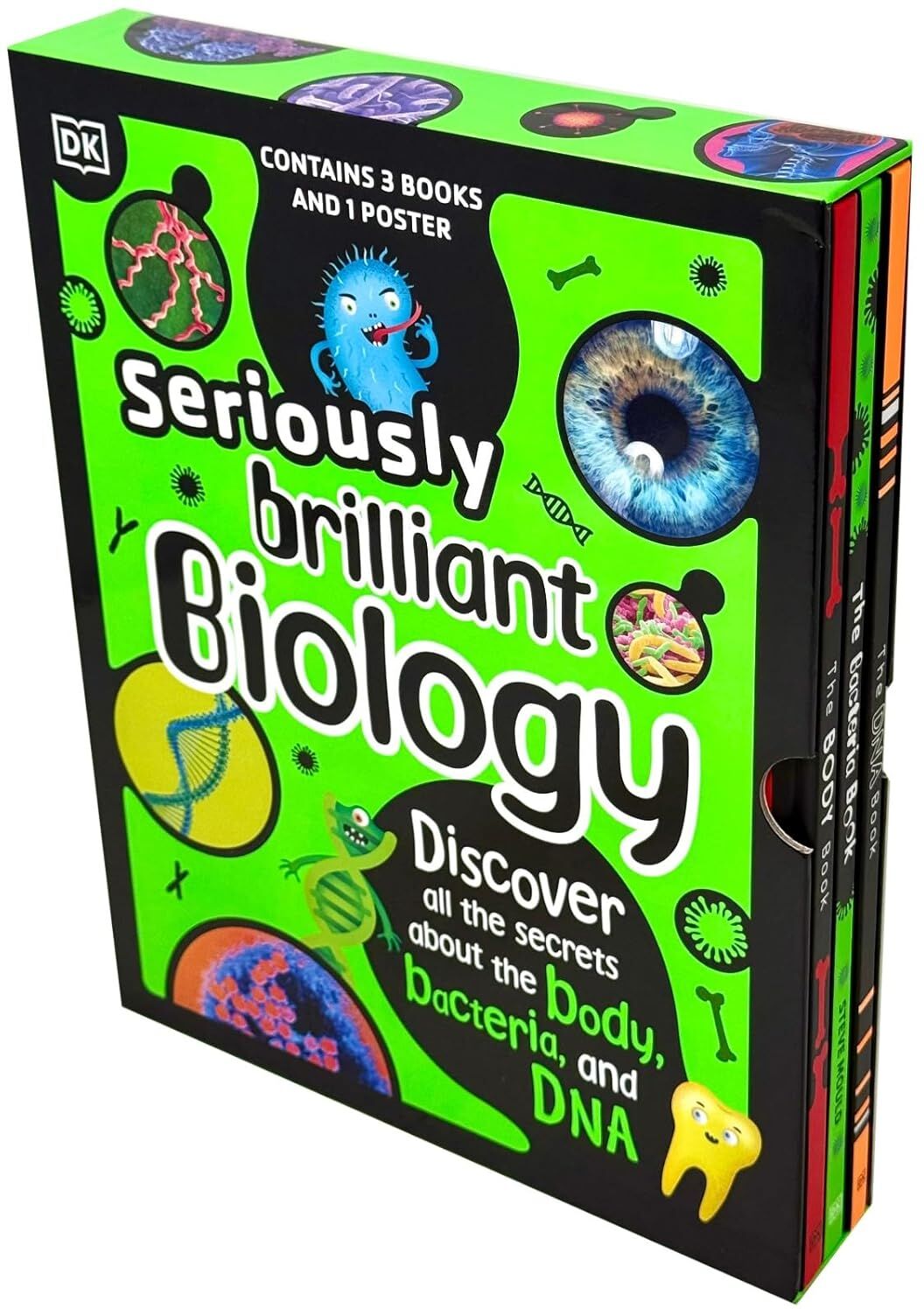
DK Children DK Seriously Brilliant Biology 3 Books Box Set and 1 Poster (The Body Book, The DNA Book and The Bacteria Book)The Body Book: It's inside every living plant and animal, from the tiniest seed to the person standing next to you, but how much do you know about DNA? This book gives children an in-depth look at DNA and its role in all living things--from why we have different-colored eyes to why we age. Discover what DNA is, what it does, and how it shapes our lives, including inheritance and why we look like our parents; forensic science and how DNA evidence helps catch criminals; and genetic engineering and if we could bring dinosaurs back to life. With fun illustrated DNA characters, clear diagrams, and astonishing photographs, children will love learning about themselves and this all-important molecule. The Body Book : Your body is awe-inspiring, amazing and miraculous. Your heart pumps blood all around your body to keep you alive and carry you around every single day. It keeps you alive and carries you around every day. But how much do you really know about what's going on beneath the surface? Jump on board as DK takes you on a fun-filled journey under your skin, through your insides, and back in time to explore milestones in medicine and the latest scientific discoveries about the human body. Are you coming? The Bacteria Book: What do glowing squid, mouldy bread, and soil creatures all have in common? They're all part of the world of microbiology! In this awesome introductory book for budding scientists, the big world of tiny organisms is revealed with remarkable photography, kooky characters, and lots of fun facts.12,99 £*Shipping: 2,99 £Secure redirect to the provider
-
Stellar Zero Uncoated Apartment Essentials BundleEnjoy effortless cooking without traditional non-stick coatings with the Stellar Zero Uncoated Apartment Essentials Bundle. Made from 100% pure stainless steel with an innovative precision-etched cooking surface, this versatile three-piece set provides excellent food release without the use of PFAS or PTFE coatings. Featuring Tri-Ply construction, each pan combines layers of stainless steel and aluminium to provide fast, even heat distribution and excellent temperature control. The pans respond quickly to changes in heat, helping you achieve consistent results while cooking efficiently. The set includes a 24cm frying pan, 28cm sauté pan with glass lid and a 24cm casserole, providing three essential pieces for everyday cooking. From frying and searing to simmering, slow cooking and preparing family favourites, this versatile selection is ideal for a wide range of dishes. The uncoated stainless steel construction offers the durability of stainless steel without a conventional non-stick coating. The precision-etched surface is designed to provide non-stick performance and is safe to use with metal utensils, making it well suited to everyday cooking. Suitable for all hob types, including induction, the cookware is oven safe up to 240°C and dishwasher safe for easy cleaning. Backed by Stellar's 25-year guarantee, the Zero collection combines innovative uncoated cooking technology with durable construction designed to last.224,95 £*Shipping: 0,00 £Secure redirect to the provider
-
Avanti 11.6 cu. ft. Apartment Size Refrigerator, in WhiteStore your favorite food and beverages in this 11.6 cubic feet, white refrigerator from Avanti. The perfect apartment-size refrigerator, your food, and beverages stay fresh and cold thanks to the frost-free defrost system.965,99 $*Shipping: 0,00 $Secure redirect to the provider


-
How can bacteria survive?
Bacteria can survive in various ways, including forming spores that are resistant to harsh conditions, developing antibiotic resistance through genetic mutations, and forming biofilms that protect them from environmental stress. Additionally, bacteria can adapt to different environments by utilizing various metabolic pathways to obtain nutrients and energy. Some bacteria can also exchange genetic material through horizontal gene transfer, allowing them to acquire new traits that help them survive in changing conditions. **
-
How do bacteria feed?
Bacteria feed by absorbing nutrients from their environment through a process called diffusion. They release enzymes that break down complex molecules into simpler forms that can be easily absorbed. Some bacteria are able to engulf food particles through a process called phagocytosis. Overall, bacteria have diverse feeding strategies and can utilize a wide range of organic and inorganic compounds for their nutrition. **
-
Are these bacteria dangerous?
The bacteria mentioned in the text, Pseudomonas aeruginosa, can be dangerous for individuals with weakened immune systems or underlying health conditions. In healthy individuals, it may not cause any harm. However, if left untreated, Pseudomonas aeruginosa infections can lead to serious complications, especially in hospital settings where it can cause healthcare-associated infections. It is important to seek medical attention if you suspect an infection with this bacteria. **
-
Which bacteria form endospores?
Certain bacteria, such as Bacillus and Clostridium, are known to form endospores. These endospores are a dormant, tough, and non-reproductive structure that allows the bacteria to survive in harsh conditions, such as extreme temperatures, high levels of radiation, or lack of nutrients. Endospore formation is a survival mechanism for these bacteria, allowing them to remain viable until conditions become more favorable for growth and reproduction. **


When are bacteria useful?
Bacteria are useful in various ways, such as in the production of food and beverages (e.g., yogurt, cheese, and beer), in the decomposition of organic matter, in the nitrogen cycle, in bioremediation processes, and in the production of antibiotics and other pharmaceuticals. Additionally, bacteria play a crucial role in our digestive system by aiding in the breakdown of food and the absorption of nutrients. **
Can bacteria decompose plastic?
Yes, certain types of bacteria have been found to be capable of decomposing plastic. These bacteria produce enzymes that can break down the chemical bonds in plastic, allowing them to use the plastic as a source of carbon and energy. This process, known as biodegradation, offers potential for the development of new methods for managing plastic waste. However, the effectiveness of this process and its potential for large-scale application are still being researched and developed. **
Top-Angebote
Products related to Bacteria:
-
iSpring FC15-BV Replacement Water Filter, CTO + Pleated Water Filter Cartridge for US31-BV & CW31-BV, Removes Bacteria & VirusesFeatures: Bacteria & Virus Removal: Lasts up to 12 months, the FC15-BV water filter replacement combines a pleated filter with activated carbon (CTO) to deliver superior filtration performance.62,99 $*Shipping: 0,00 $Secure redirect to the provider
-
DK Children DK Seriously Brilliant Biology 3 Books Box Set and 1 Poster (The Body Book, The DNA Book and The Bacteria Book)The Body Book: It's inside every living plant and animal, from the tiniest seed to the person standing next to you, but how much do you know about DNA? This book gives children an in-depth look at DNA and its role in all living things--from why we have different-colored eyes to why we age. Discover what DNA is, what it does, and how it shapes our lives, including inheritance and why we look like our parents; forensic science and how DNA evidence helps catch criminals; and genetic engineering and if we could bring dinosaurs back to life. With fun illustrated DNA characters, clear diagrams, and astonishing photographs, children will love learning about themselves and this all-important molecule. The Body Book : Your body is awe-inspiring, amazing and miraculous. Your heart pumps blood all around your body to keep you alive and carry you around every single day. It keeps you alive and carries you around every day. But how much do you really know about what's going on beneath the surface? Jump on board as DK takes you on a fun-filled journey under your skin, through your insides, and back in time to explore milestones in medicine and the latest scientific discoveries about the human body. Are you coming? The Bacteria Book: What do glowing squid, mouldy bread, and soil creatures all have in common? They're all part of the world of microbiology! In this awesome introductory book for budding scientists, the big world of tiny organisms is revealed with remarkable photography, kooky characters, and lots of fun facts.12,99 £*Shipping: 2,99 £Secure redirect to the provider
-
Who invented bacteria?
The discovery of bacteria is attributed to Dutch scientist Antonie van Leeuwenhoek. He is considered the "Father of Microbiology" and is credited with being the first person to observe and document bacteria using a microscope in the 17th century. **
-
Are bacteria protists?
No, bacteria are not protists. Bacteria are single-celled microorganisms that lack a nucleus and other membrane-bound organelles, and they belong to the domain Bacteria. On the other hand, protists are a diverse group of eukaryotic microorganisms that can be single-celled or multicellular, and they belong to the domain Eukarya. Therefore, bacteria and protists are two distinct groups of microorganisms with different characteristics and evolutionary histories. **
-
How can bacteria survive?
Bacteria can survive in various ways, including forming spores that are resistant to harsh conditions, developing antibiotic resistance through genetic mutations, and forming biofilms that protect them from environmental stress. Additionally, bacteria can adapt to different environments by utilizing various metabolic pathways to obtain nutrients and energy. Some bacteria can also exchange genetic material through horizontal gene transfer, allowing them to acquire new traits that help them survive in changing conditions. **
-
How do bacteria feed?
Bacteria feed by absorbing nutrients from their environment through a process called diffusion. They release enzymes that break down complex molecules into simpler forms that can be easily absorbed. Some bacteria are able to engulf food particles through a process called phagocytosis. Overall, bacteria have diverse feeding strategies and can utilize a wide range of organic and inorganic compounds for their nutrition. **
Similar search terms for Bacteria
-
Stellar Zero Uncoated Apartment Essentials BundleEnjoy effortless cooking without traditional non-stick coatings with the Stellar Zero Uncoated Apartment Essentials Bundle. Made from 100% pure stainless steel with an innovative precision-etched cooking surface, this versatile three-piece set provides excellent food release without the use of PFAS or PTFE coatings. Featuring Tri-Ply construction, each pan combines layers of stainless steel and aluminium to provide fast, even heat distribution and excellent temperature control. The pans respond quickly to changes in heat, helping you achieve consistent results while cooking efficiently. The set includes a 24cm frying pan, 28cm sauté pan with glass lid and a 24cm casserole, providing three essential pieces for everyday cooking. From frying and searing to simmering, slow cooking and preparing family favourites, this versatile selection is ideal for a wide range of dishes. The uncoated stainless steel construction offers the durability of stainless steel without a conventional non-stick coating. The precision-etched surface is designed to provide non-stick performance and is safe to use with metal utensils, making it well suited to everyday cooking. Suitable for all hob types, including induction, the cookware is oven safe up to 240°C and dishwasher safe for easy cleaning. Backed by Stellar's 25-year guarantee, the Zero collection combines innovative uncoated cooking technology with durable construction designed to last.224,95 £*Shipping: 0,00 £Secure redirect to the provider
-
Avanti 11.6 cu. ft. Apartment Size Refrigerator, in WhiteStore your favorite food and beverages in this 11.6 cubic feet, white refrigerator from Avanti. The perfect apartment-size refrigerator, your food, and beverages stay fresh and cold thanks to the frost-free defrost system.965,99 $*Shipping: 0,00 $Secure redirect to the provider
-
Cotton Washcloths - Pack of 12-600 GSM Soft & Absorbent, Quick-Drying, for Beach Houses, Hotels, and Rental PropertiesElevate your hospitality experience with our premium Cotton Washcloths, thoughtfully designed for beach houses, hotels, and rental properties. This pack of 12 washcloths offers an ideal combination of softness, absorbency, and quick-drying performance.40,99 $*Shipping: 0,00 $Secure redirect to the provider
-
Are these bacteria dangerous?
The bacteria mentioned in the text, Pseudomonas aeruginosa, can be dangerous for individuals with weakened immune systems or underlying health conditions. In healthy individuals, it may not cause any harm. However, if left untreated, Pseudomonas aeruginosa infections can lead to serious complications, especially in hospital settings where it can cause healthcare-associated infections. It is important to seek medical attention if you suspect an infection with this bacteria. **
-
Which bacteria form endospores?
Certain bacteria, such as Bacillus and Clostridium, are known to form endospores. These endospores are a dormant, tough, and non-reproductive structure that allows the bacteria to survive in harsh conditions, such as extreme temperatures, high levels of radiation, or lack of nutrients. Endospore formation is a survival mechanism for these bacteria, allowing them to remain viable until conditions become more favorable for growth and reproduction. **
-
When are bacteria useful?
Bacteria are useful in various ways, such as in the production of food and beverages (e.g., yogurt, cheese, and beer), in the decomposition of organic matter, in the nitrogen cycle, in bioremediation processes, and in the production of antibiotics and other pharmaceuticals. Additionally, bacteria play a crucial role in our digestive system by aiding in the breakdown of food and the absorption of nutrients. **
-
Can bacteria decompose plastic?
Yes, certain types of bacteria have been found to be capable of decomposing plastic. These bacteria produce enzymes that can break down the chemical bonds in plastic, allowing them to use the plastic as a source of carbon and energy. This process, known as biodegradation, offers potential for the development of new methods for managing plastic waste. However, the effectiveness of this process and its potential for large-scale application are still being researched and developed. **
* All prices are inclusive of VAT and, if applicable, plus shipping costs. The offer information is based on the details provided by the respective shop and is updated through automated processes. Real-time updates do not occur, so deviations can occur in individual cases. ** Note: Parts of this content were created by AI.